
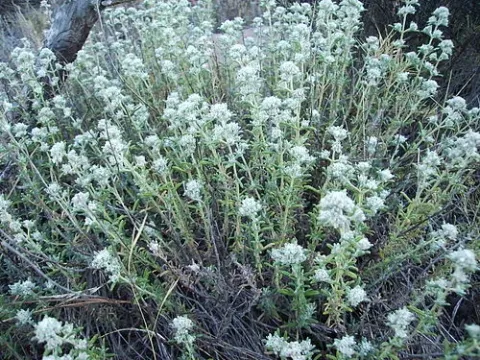
Oncinocalyx
Oncinocalyx
Oncinocalyx is a genus within the Lamiaceae family, known for its adaptation to the arid landscapes of Australia. It is a specialized crop that thrives where other species struggle due to water scarcity.
What the section contains
Oncinocalyx
The plant requires well-drained, sandy, or gravelly soils to prevent moisture accumulation around the roots. In agricultural practice, maintaining soil structure is essential for long-term productivity.
This crop is highly heliophilous, demanding full sun exposure to complete its life cycle effectively. It shows significant resistance to high solar radiation, which is characteristic of its native habitat.
Water management is the most critical aspect of its cultivation. While the species is drought-tolerant, supplemental irrigation during the seedling establishment phase ensures better uniformity of the crop.
Soil nutrient requirements are relatively low. Excessive fertilization, particularly nitrogen-based, can lead to imbalanced growth, making the plants more susceptible to environmental stresses.
Fungal infections, particularly root rot and crown rot, are the primary biological threats to Oncinocalyx. These pathogens typically emerge in poorly drained soils or during periods of prolonged high humidity.
Insect pests including mites and foliage-feeding caterpillars can cause localized damage. Their impact is often correlated with plant stress levels, making healthy crop management the best deterrent.
Management strategy should focus on sanitation and physical monitoring. Removing infected debris helps prevent the spread of soil-borne pathogens within the field during the growing season.
Biological control agents, such as beneficial predatory insects, are effective in managing pest populations without damaging the plant's delicate tissues or the ecosystem balance.
Crop rotation remains the most effective prophylactic measure against the buildup of host-specific pests in the soil, ensuring that the field remains productive for future cycles.