
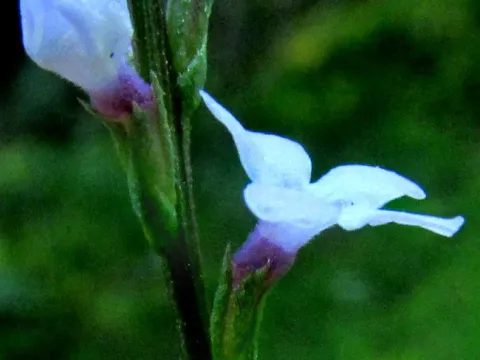
Peppermint verbena
Verbena menthifolia
The sowing of Peppermint verbena (Verbena menthifolia) is typically performed using the transplant method to ensure uniform crop establishment. Seeds are sown in trays or plug cells in late February or early March, providing the necessary warmth for germination.
What the section contains
Peppermint verbena
Transplanting into the open field should only occur once all danger of frost has passed, usually by the end of May. The soil temperature should be consistently warm, ideally reaching at least 15 degrees Celsius for successful root development.
Direct seeding in the field is rarely done commercially but is possible in warmer climates once temperatures are stable. Seeds should be sown in rows with sufficient spacing to allow for mechanical weeding and proper air circulation as the plants mature.
Stratification of seeds for several weeks prior to sowing is highly recommended for commercial production. This process mimics natural winter conditions, breaking seed dormancy and significantly increasing the percentage of emergence.
Standard planting density is crucial to avoid overcrowding, which can encourage disease outbreaks. Maintaining a distance of 30 to 40 centimeters between plants is recommended to optimize yield while allowing for ease of maintenance throughout the season.
Peppermint verbena is an aromatic herb belonging to the Verbenaceae family. It is native to North American regions and thrives in environments characterized by long periods of sunlight, which is essential for maximizing its volatile oil content.
The crop requires full sun exposure to reach its full potential. Any shading during the vegetative growth phase will result in leggy plants and a lower concentration of secondary metabolites, which are vital for the plant's medicinal and culinary applications.
Well-drained, fertile soil is a strict requirement for this crop. Peppermint verbena is highly susceptible to root damage caused by waterlogging, making proper drainage management the most critical factor in site selection and field preparation.
While the plant exhibits moderate drought tolerance once established, regular irrigation during the primary growth stage is necessary for high biomass production. Consistency in moisture levels prevents the plant from going into heat-induced dormancy.
Routine cultivation, such as inter-row hoeing and weed suppression, is vital. Mulching can also be utilized to conserve soil moisture and suppress weed competition, reducing the overall labor intensity required during the growing season.
Powdery mildew is the most common fungal threat to Peppermint verbena, especially in humid and stagnant air conditions. Management involves improving field ventilation and applying appropriate fungicides as a preventative or curative measure when necessary.
Root rot, often caused by poor soil drainage, can decimate a crop in a short timeframe. Symptoms include wilting and yellowing leaves followed by plant death, necessitating immediate soil amendment and improved drainage if the problem is detected early.
Aphids can cause significant damage by feeding on young succulent growth, leading to stunted plants and potential viral transmission. Integrated pest management, including the use of beneficial insects, is the preferred approach for sustainable farming.
Spider mites are a nuisance during hot, dry summer months. They thrive in dusty conditions and can cause leaf drop, reducing the final harvest weight. Regular monitoring and water-based leaf washing or acaricide treatments are effective control methods.
Crop rotation is essential for long-term productivity. Growing Peppermint verbena in the same field for consecutive years increases the risk of soil-borne diseases. A rotation cycle of at least three years helps to break the lifecycle of specific pests.
Harvesting should take place at the peak of the flowering stage, which is when the plant's essential oil concentration is highest. This ensures the best quality of herbal material for processing and market distribution.
Mechanical harvesting is generally used for large plantations, with the crop cut at a height of about 15 centimeters. This allows the plants to remain healthy and provides the potential for a secondary harvest if weather conditions allow.
Immediate processing is required to preserve the aromatic quality of the herb. Cut material should be collected and transported to a drying facility as quickly as possible to prevent degradation and loss of volatile compounds caused by heat build-up.
The drying process should be carried out in a controlled environment with active airflow and moderate temperatures not exceeding 45 degrees Celsius. Excessive heat during drying can lead to the evaporation of desired essential oils, devaluing the product.
Final storage of the dried product must be in a cool, dark, and dry environment. Utilizing breathable, moisture-resistant packaging helps maintain the integrity of the herbs until they are ready for final packaging and shipment to end-users.