
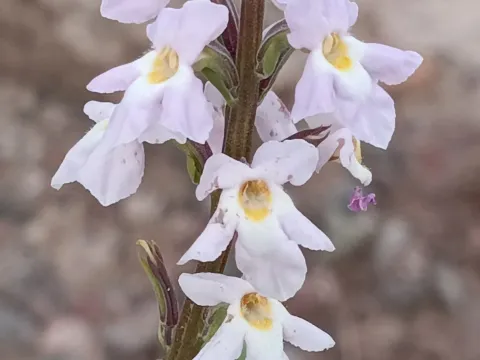
Pitraea
Pitraea
Pitraea is a genus of plants belonging to the Verbenaceae family. The most prominent species, Pitraea chilensis, is native to the South American continent, specifically restricted to certain habitats within Chile, where it thrives in specific microclimates.
What the section contains

Pitraea
The plant demonstrates a strong preference for well-drained, sandy, or rocky soils, reflecting its adaptation to Mediterranean-like conditions. It requires a balanced environment where seasonal fluctuations in water availability do not lead to prolonged waterlogging of the roots.
Botanically, Pitraea is categorized as a perennial herb, showcasing unique morphological traits typical of its family. Its ability to tolerate periods of drought is supported by the physiological structure of its leaves, which minimize transpiration losses during peak heat.
Climatic requirements for Pitraea focus on moderate temperature ranges, typically between 18 and 25 degrees Celsius during the growing season. While it is hardy in its native habitat, protection from extreme winds and frost is essential when cultivated in garden settings.
The economic and agricultural utility of Pitraea is currently focused on its role in botanical conservation and ornamental horticulture. Its unique chemical profile also presents an interesting subject for ongoing research into phytochemical properties for potential future applications.
The primary threats to Pitraea in the wild include habitat loss and environmental degradation, which significantly restrict its population size. Within controlled cultivation, the lack of proper soil drainage remains the most lethal threat to the plant's health.
Pests such as spider mites and aphids are known to target Pitraea, especially when the plant is kept under stress due to inadequate hydration or poor ventilation. These insects can quickly colonize the leaves, leading to reduced photosynthetic capacity.
Fungal infections are prevalent when humidity levels are excessively high or when the air circulation around the plant is insufficient. These pathogens manifest as leaf spots and can weaken the structural integrity of the plant over time.
Aggressive weed encroachment poses a significant risk to young Pitraea specimens, necessitating diligent manual weeding and site management. Maintaining a clean growth area is essential for preventing the spread of diseases from nearby competitive flora.
Regular diagnostic checks are highly recommended for any successful cultivation program. Early detection of stress symptoms allows for the implementation of sustainable management practices, ensuring the longevity and productivity of the Pitraea population.