
Rhaphithamnus
Rhaphithamnus
Rhaphithamnus is a genus of evergreen shrubs and small trees belonging to the Verbenaceae family. These plants are native to the temperate regions of South America, with a specific focus on the forest ecosystems found in Chile and parts of Argentina.
What the section contains

Rhaphithamnus
The climatic needs of this plant are quite specific, requiring moderate temperatures and high atmospheric humidity to thrive. They are generally considered frost-tender, making them suitable for coastal or mild temperate regions where extremes of cold are infrequent.
Regarding soil requirements, Rhaphithamnus thrives in well-drained, nutrient-rich soils with a slightly acidic to neutral pH balance. It is imperative to avoid waterlogged conditions, which can lead to root rot; therefore, providing a high-quality drainage substrate is essential.
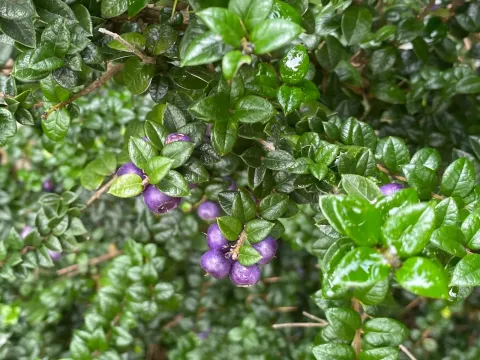
Botanically, the plant is characterized by its stiff, spiny branches and small, ovate leaves. The flowers are typically trumpet-shaped and vary in hue, leading to the development of drupe-like fruits that provide significant visual interest in autumn and winter months.
Its primary agricultural and horticultural utility lies in landscape architecture. Due to its dense, thorny growth habit, it is an excellent candidate for creating impenetrable hedges that serve as natural barriers, simultaneously supporting local biodiversity by attracting pollinating insects and birds.