
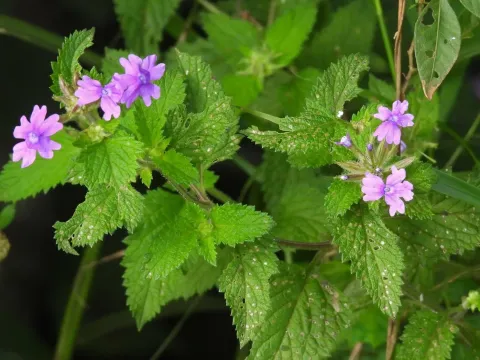
Glandularia phlogiflora
Glandularia phlogiflora
Glandularia phlogiflora, a member of the Verbenaceae family, is typically propagated via seeds sown indoors. Sowing should commence in late winter to ensure well-established seedlings by the spring season.
What the section contains
Glandularia phlogiflora
The seeds require a light, well-draining seed-starting mix. Surface sowing is recommended as the seeds need exposure to light to germinate effectively within the 20-22 Celsius temperature range.
Pricking out the seedlings into individual pots is essential once the first set of true leaves develops. This practice prevents overcrowding and encourages robust root system development.
Acclimatization, or hardening off, is a critical step before transplanting into the open field. This process gradually introduces the plants to outdoor conditions over a period of ten days.
Transplanting into the garden or production plots occurs after all risks of frost have passed. Proper spacing is crucial to prevent foliage congestion and related moisture issues.
This species thrives in full sun exposure. Adequate light intensity is fundamental for compact growth and the production of vibrant, prolific flower clusters throughout the season.
The soil should be light, sandy, or loamy with excellent drainage properties. Glandularia phlogiflora does not tolerate "wet feet," so soil structure must facilitate rapid water percolation.
Regular irrigation is necessary, particularly during establishment and peak summer temperatures. Watering should be targeted at the base of the plant to keep foliage dry.
Nutrient management involves balanced fertilization during the active growth phase. Avoid high-nitrogen fertilizers that lead to excessive vegetative growth at the expense of floral development.
Deadheading faded blooms is a recommended horticultural practice. This maintenance task redirects the plant's energy toward producing secondary flushes of flowers, extending the ornamental value.
Powdery mildew is a common fungal challenge, especially in humid or poorly ventilated environments. Implementing preventative fungicides and ensuring airflow are primary mitigation strategies.
Root rot is frequently associated with poor soil drainage or over-irrigation. Proper site selection and careful water management are the most effective preventive measures against soil-borne pathogens.
Aphids are a significant pest that colonizes tender new growth, causing stunting and potential viral transmission. Monitoring and early intervention are essential for maintaining plant health.
Spider mites can become problematic during hot and dry spells. These pests damage the underside of the foliage, and their presence may require the application of appropriate miticides.
Thrips may also damage the floral parts, leading to discolored or distorted petals. Integrated pest management, including natural enemies and chemical controls, is advised for heavy infestations.