
Glandularia platensis
Glandularia platensis
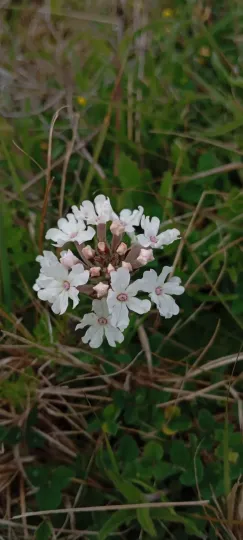
Description
Sowing dates
The sowing process for Glandularia platensis begins in early spring, once the threat of late-season frosts has completely subsided.
For commercial or decorative purposes, seeds are often started indoors in specialized trays to ensure higher germination rates.
Direct outdoor sowing is feasible in regions with long growing seasons, provided the soil temperature consistently stays above 15 degrees Celsius.
The seeds require a shallow planting depth, as they are light-sensitive and should not be buried too deeply in the germination medium.
Proper hydration during the initial stages of sowing is critical to prevent the small seeds from drying out before establishment.
Growing requirements
Glandularia platensis is a member of the Verbenaceae family, known for its vibrant blooming patterns and hardy nature in diverse landscapes.
The plant thrives in full sun exposure, requiring at least six to eight hours of direct sunlight daily to maintain robust growth and flowering.
Soil requirements focus on well-draining structures, as the root system is highly susceptible to rot if left in waterlogged conditions.
While the plant shows good drought tolerance once mature, it performs best with consistent, moderate watering during peak summer heat.
Nutrient-rich, slightly acidic to neutral soils provide the best foundation for developing the lush foliage characteristic of this species.
Main diseases and pests
Fungal pathogens such as powdery mildew are common issues, particularly during seasons marked by high humidity and poor air circulation.
Root rot, caused by various soil-borne fungi, remains the primary threat when irrigation management is neglected or soil drainage is insufficient.
Spider mites are the most frequent insect pests, thriving in dry, hot environments and causing leaf yellowing and structural weakness.
Aphid colonies can occasionally infest the growing tips, damaging the developing flower buds and reducing the overall ornamental value.
Integrated pest management, including regular inspection and proper spacing, is essential for maintaining a healthy and vigorous plant stand.