
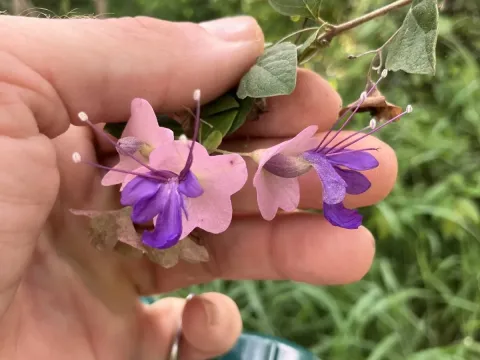
Karomia
Karomia
Propagation of Karomia in cultivation is most effectively achieved through vegetative methods or by sowing freshly harvested seeds in specialized substrates. The seeds require stratification to increase germination rates, which is characteristic of their tropical origin.
What the section contains

Karomia
The optimal time to begin cultivation in greenhouses or controlled environments is the spring period, when day length begins to increase significantly. This provides seedlings with the necessary conditions for initial root system development.
When using cuttings, it is crucial to maintain high air humidity, which is a critical factor for successful rooting. It is recommended to use small propagation units with bottom heat to stimulate active growth processes.
Sowing seeds requires shallow planting in a light, well-draining soil mixture rich in organic components. It is essential to avoid overwatering, which can lead to rot of the young embryos before they have a chance to germinate.
Once the first true leaves appear, the plants should be pricked out into individual containers, allowing for optimized development of each specimen. Transferring to outdoor environments is only possible in regions with tropical climates where the risk of frost is entirely absent.
Karomia belongs to the Lamiaceae family, which dictates its preference for well-aerated, fertile soils with a neutral to slightly acidic pH. The plant does not tolerate waterlogging, making proper drainage an essential requirement for cultivation.
The crop is heat-loving and prefers a temperature range of 20–28 degrees Celsius. Sharp temperature fluctuations and cold winds negatively affect the foliage and can lead to flower bud drop.
Lighting should be intense but diffused. Direct sunlight during midday hours can cause burns on the leaf blades, so slight shading is advisable when cultivating in introductory conditions.
Requirements for air humidity are high; the plant thrives best when hygrometer readings are not below 60–70 percent. In dry environments, regular misting of the crown with soft water is necessary.
During the active growing season, Karomia requires regular fertilization with complex mineral fertilizers high in potassium and phosphorus. This supports flowering and the overall health of the shrub.
The primary threats to the genus are linked to fungal diseases that arise when humidity regimes are disrupted. Root rots are the most dangerous, as they often progress invisibly until the plant begins to wilt.
Among pests, spider mites and scale insects can cause significant damage, especially in low-humidity environments. Regular inspection of the undersides of the leaves allows for early detection of colonies.
If cultivation practices are neglected, powdery mildew can occur, particularly if plants are spaced too closely and lack sufficient air circulation. Immediate treatment with fungicidal agents is required in such cases.
Aphids may infest young shoots and inflorescences, sucking sap and deforming the current year's growth. The use of systemic insecticides is effective in managing this problem.
Disease prevention consists of maintaining cleanliness in the growing area, removing dead plant debris, and adhering strictly to watering schedules. Using high-quality substrate minimizes the risk of introducing soil-borne pathogens.