
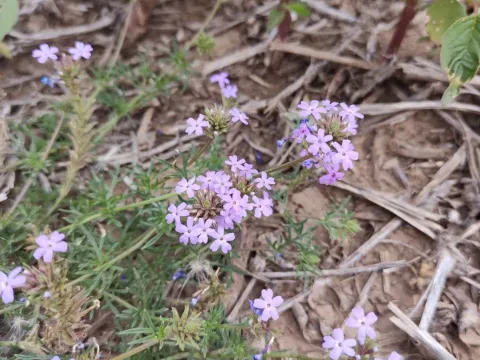
Glandularia dissecta
Glandularia dissecta
Seeds of Glandularia dissecta are typically sown in late winter or early spring to ensure the plants have enough time to establish before the flowering season begins.
What the section contains
Glandularia dissecta
Providing a stratification period for the seeds is highly recommended, as it effectively breaks dormancy and significantly improves the overall germination rate.
When the seedlings develop their first true leaves, they should be transplanted into individual pots to encourage stronger root development and reduce plant competition.
Acclimatizing the young plants to outdoor conditions is crucial before planting them in their permanent site, which should be done only after the last frost has passed.
Spacing is a critical factor for success; keeping a distance of approximately 25 to 30 centimeters between plants ensures healthy airflow and prevents the buildup of humidity.
Glandularia dissecta, a member of the Verbenaceae family, originates from the regions of South America, where it thrives in sunny, well-drained, open environments.
This species is well-known for its drought tolerance and heat resistance, making it an excellent candidate for sunny garden borders or rock gardens that experience high temperatures.
Soil requirements involve well-drained, light textured soils with a neutral or slightly alkaline pH to support healthy root function and prevent the risk of waterlogging.
Full sun exposure is vital; even partial shade can lead to leggy, unattractive growth and a significant reduction in the intensity and duration of the flowering period.
While the plant is hardy, it requires moderate fertilization during the growing season with a balanced formula that does not over-promote foliage growth at the expense of blooms.
Powdery mildew is the most common fungal issue encountered, especially during periods of high humidity or poor ventilation around the dense foliage of the plant.
Root rot remains a major threat if the soil medium does not provide sufficient drainage or if the plants are subjected to frequent, excessive irrigation sessions.
Pests such as aphids and spider mites can colonize the plant during dry spells, potentially causing stunted growth and yellowing of the leaves if left untreated.
Integrated pest management, including regular inspection and the removal of severely affected branches, is preferred over the heavy use of chemical pesticides.
Maintaining a clean cultivation area by removing weeds and debris helps in minimizing the environment conducive to both fungal spores and common insect pests.