
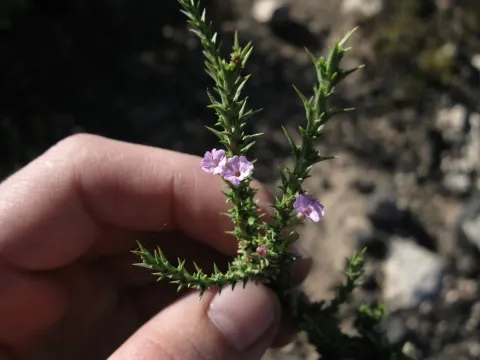
Junellia
Junellia
Junellia, a genus of perennial herbaceous plants and subshrubs belonging to the Verbenaceae family, is propagated primarily by seeds or stem cuttings. Sowing is typically conducted in the spring into a well-drained substrate, covering the seeds lightly with soil.
What the section contains


Junellia
For successful germination, Junellia requires a stable temperature around 18–20 degrees Celsius and moderate moisture. Cold stratification often improves germination rates, as many high-altitude species are adapted to natural winter cycles.
Transplanting seedlings into open ground should be performed after the risk of late spring frosts has passed. The optimal window is late May or early June, allowing the plants to acclimate to summer conditions before autumn chills arrive.
For vegetative propagation, cuttings are taken in late summer using healthy lateral shoots. They are rooted in a sandy-peat mix under plastic coverage to maintain consistent humidity until roots establish.
The planting scheme depends on the specific species; however, for creating a dense groundcover carpet, maintaining a spacing of 15 to 30 centimeters between specimens is recommended to ensure proper airflow and nutrient access.
Junellia is a crop originating from high-altitude and arid regions of South America, making it extremely demanding regarding light exposure. For healthy growth, it requires full sun exposure throughout the entire day.
The soil must be highly permeable. The plant does not tolerate waterlogging, so in heavy clay soils, it is mandatory to install a robust drainage layer made of crushed stone or gravel.
The plant is moderately demanding regarding soil chemistry, preferring poor, rocky, or sandy substrates with a neutral to slightly alkaline pH. Excessive fertilization often results in the loss of the plant's natural compact growth habit.
Climatic requirements include excellent air circulation, which helps minimize the risk of fungal infections. The plant is well-adapted to wide fluctuations in day and night temperatures, characteristic of high-altitude terrains.
In regions with harsh winters, Junellia requires light, dry cover, as most species are sensitive to rot when exposed to excessive moisture during snowmelt or freeze-thaw cycles.
The primary threat to Junellia is related to diseases caused by excessive root zone moisture. Root rot is the most frequent cause of plant mortality when drainage guidelines are ignored.
Powdery mildew can infect foliage during periods of high humidity and poor ventilation. Systemic fungicides are effective for controlling this disease if outbreaks occur.
Among pests, spider mites are frequently reported during prolonged periods of hot and dry weather. They feed on plant sap, causing leaves to yellow, wither, and eventually drop off.
Aphids may also colonize tender young shoots, significantly stunting growth. Regular inspection and the application of appropriate insecticides help keep pest populations at a manageable level.
Prevention of all mentioned issues involves maintaining a strict irrigation schedule and keeping the planting site free of weeds, which often act as alternative hosts for various pathogens.