
Laportea interrupta
Laportea interrupta
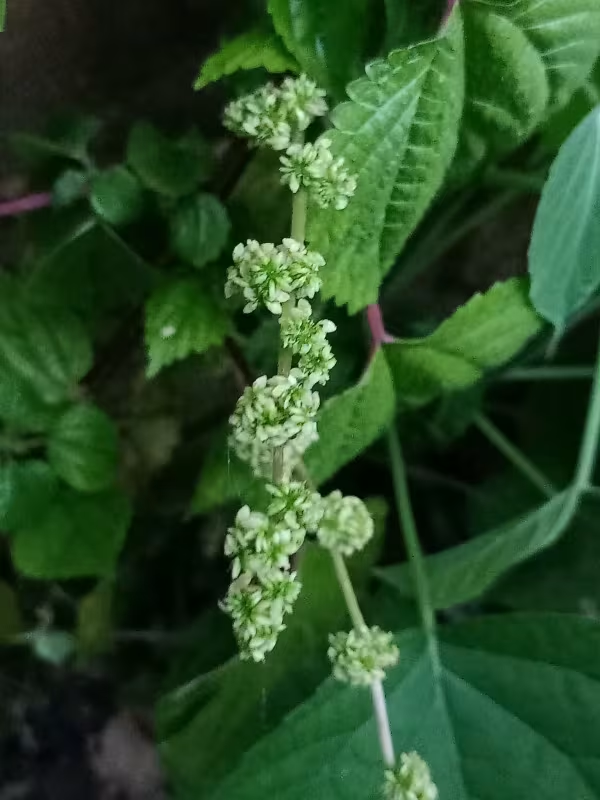
Description
Sowing dates
Laportea interrupta is an annual herbaceous plant typically propagated by seeds. Sowing is best timed at the beginning of the rainy season or when steady, warm temperatures are established, ensuring a conducive environment for germination.
When grown in a controlled environment, seeds should be sown in a light, nutrient-rich substrate at a depth of approximately 0.5 cm. Maintaining a consistent temperature between 22–25 degrees Celsius is crucial for high germination rates.
Seedlings usually emerge within two weeks. During the early stages, young plants require soft, filtered light, as direct exposure to intense sunlight can damage their delicate tissues. Gradual acclimation is recommended.
Transplanting should occur once the seedlings have developed two sets of true leaves. Careful handling of the root system is essential to prevent shock, allowing the plants to establish themselves quickly in their permanent location.
Planting density depends on the specific agricultural goals. For biomass production, a spacing of 30x30 cm is usually sufficient to balance individual plant growth with the need for efficient land use and proper ventilation.
Growing requirements
Belonging to the Urticaceae family, Laportea interrupta thrives in humid tropical conditions. It performs best in environments with high ambient humidity and protection from harsh, drying winds that can stress the plants.
The soil should be well-drained, fertile, and rich in organic matter. A soil pH between 6.0 and 7.0 is ideal. Waterlogging must be strictly avoided, as the species is highly susceptible to root rot in poorly drained substrates.
Regular irrigation is vital, especially during the peak of the growing season. The goal is to keep the soil consistently moist but never waterlogged. Drip irrigation systems are preferred for maintaining precise moisture levels.
While the plant is naturally adapted to its environment, supplemental organic fertilization during the vegetative stage can significantly enhance yield. Nitrogen-based organic inputs are particularly effective for leaf development.
Temperature management is critical, as this plant cannot survive frost. In regions where temperatures drop, the crop must be cultivated in greenhouses or managed as an annual that completes its cycle before the onset of cold weather.
Main diseases and pests
Spider mites are the most common pests, particularly when the humidity drops too low. Regularly misting the foliage and ensuring good air circulation are the primary non-chemical methods for preventing mite infestations.
Mealybugs can infest the stems and leaf axils, draining sap from the plant. Biological controls, such as predatory insects, or the application of insecticidal soaps, are effective strategies for managing these pests without harming the harvest quality.
Root rot is the most significant disease threat, typically caused by over-irrigation or poor soil aeration. Monitoring the moisture level and ensuring the substrate allows for free drainage are essential for crop health.
Gray mold may affect the leaves in highly humid and stagnant conditions. Removing affected plant parts and increasing ventilation will help stop the spread of the pathogen, protecting the remainder of the crop.
- Maintain proper spacing between plants.
- Avoid overhead irrigation late in the day.
- Perform routine inspections of the undersides of leaves.
Harvesting
Harvesting for medicinal or culinary use should be performed before the plant initiates flowering. This is when the concentration of desirable secondary metabolites is at its peak in the leaves and stems.
Given that the plant possesses stinging hairs, wearing gloves is mandatory during the harvesting process. Sharp shears should be used to make clean cuts, which aids in quicker healing and prevents further plant stress.
After harvesting, the plant material should be dried in a dark, well-ventilated space to preserve its biochemical integrity. Avoiding excessive heat is important to prevent the degradation of essential oils and other sensitive compounds.
Once dried, the raw material can be stored in airtight containers. Keeping the product away from sunlight and moisture is essential for long-term storage and maintaining the quality of the raw botanical material.
For sustainable production, harvesting can be done in stages, allowing the plants to regrow if the environmental conditions remain optimal. This approach maximizes total yield per plant over the course of the growing season.