
Laportea bulbifera
Laportea bulbifera
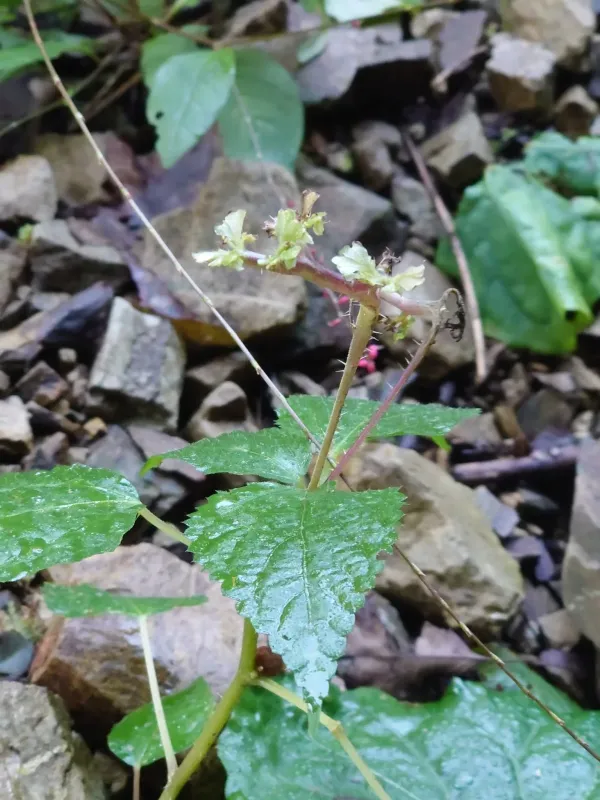
Description
Sowing dates
Laportea bulbifera is a perennial herbaceous plant belonging to the Urticaceae family. While not a conventional staple crop, it is gaining interest in niche agriculture due to its unique botanical properties and culinary potential.
The plant is typically propagated through its bulbils, which develop in the leaf axils, or through the division of rhizomes. Planting should be scheduled for the spring season, once the soil has warmed up and the risk of frost has passed.
Proper spacing is essential to prevent overcrowding, which can hinder the plant's development. A spacing of at least 40 to 50 centimeters between plants is recommended to allow for optimal airflow and sunlight exposure.
The soil should be well-prepared, deep, and enriched with organic matter before planting. Placing bulbils at a depth of approximately 5 to 8 centimeters provides the necessary stability and environment for root formation.
During the first year, it is vital to focus on the establishment of the root system. With consistent care, the plant will develop sufficient vegetative mass to support a harvest in the subsequent growing season.
Growing requirements
Laportea bulbifera thrives in shaded or semi-shaded environments, mimicking its natural habitat. Exposure to intense, direct sunlight can be detrimental, leading to leaf scorching and a reduction in the quality of the shoots.
Soil quality is paramount for this crop; it requires loose, nutrient-rich soil with a neutral to slightly acidic pH. Good drainage is non-negotiable, as stagnant water is a primary cause of root failure.
Water management is critical throughout the growing season. The plant requires consistent moisture levels to support rapid growth and to prevent the stems from becoming woody or fibrous too quickly.
The climate should be mild. While the plant has some resilience, it does not respond well to extreme temperature fluctuations. In colder regions, providing mulch is an effective strategy to protect the root systems during winter.
Regular maintenance, including weeding and soil aeration, is necessary to minimize competition for nutrients. Healthy plants are better equipped to resist environmental stressors and maintain productivity.
Yield
The primary yield from Laportea bulbifera consists of young, tender shoots, which are harvested for consumption. They are often used as a leafy vegetable, similar to spinach, in various regional cuisines.
In addition to shoots, the plant produces aerial bulbils that are rich in starch. These bulbils serve as a secondary food source and can be processed or stored for later use, increasing the overall harvest value.
Yield efficiency is directly influenced by the frequency of shoot harvesting. Periodic trimming of the main stems encourages the development of lateral branches, effectively extending the harvesting window.
The quantity of bulbils produced depends largely on the maturity of the plants and the environmental conditions. Mature plants tend to yield a significantly higher volume of bulbils compared to younger specimens.
Post-harvest handling is critical to maintaining produce quality. Leafy portions should be kept cool and moist to prevent wilting, while bulbils should be dried and stored in a cool, ventilated location.
Main diseases and pests
Common agricultural pests for this crop include aphids and spider mites. These sap-sucking insects can rapidly infest tender growth, causing leaf curling and significant stress to the plant.
Fungal diseases, such as powdery mildew, are frequently associated with poor ventilation and excess humidity. These conditions create an environment where pathogens thrive, impacting the overall health of the crop.
Root rot is a major threat, particularly in poorly drained soils. It is usually identified by the yellowing of leaves and a general decline in the plant's vigor, often resulting in systemic failure if untreated.
Integrated pest management strategies are recommended, focusing on preventative measures. Regular monitoring, maintaining proper plant spacing, and removing infected material are key to protecting the crop.
Chemical intervention should be kept to an absolute minimum, as the plant is intended for human consumption. Biological controls, such as beneficial insects or organic fungicides, are preferred alternatives.
Harvesting
Harvesting shoots typically begins in early summer. Selective cutting of the youngest growth ensures that the plant continues to produce new stems throughout the peak of the growing season.
The collection of aerial bulbils is an autumn activity. They are harvested once they reach maturity, turning a darker color and detaching easily from the stalks to minimize labor and product loss.
For larger operations, mechanical assistance can be utilized for bulbil collection. Netting placed beneath the plants is a highly effective way to gather the falling bulbils with minimal manual intervention.
After collection, the bulbils should be thoroughly cleaned of plant debris and dried. Proper drying prevents mold development, which is essential for ensuring the longevity of the stored product.
Storing the harvested bulbils in a cool, dry place ensures they remain viable for the following season. Proper conditions prevent premature sprouting or dehydration, safeguarding future yield potential.