
Canadian woodnettle
Laportea canadensis
Description
Sowing dates
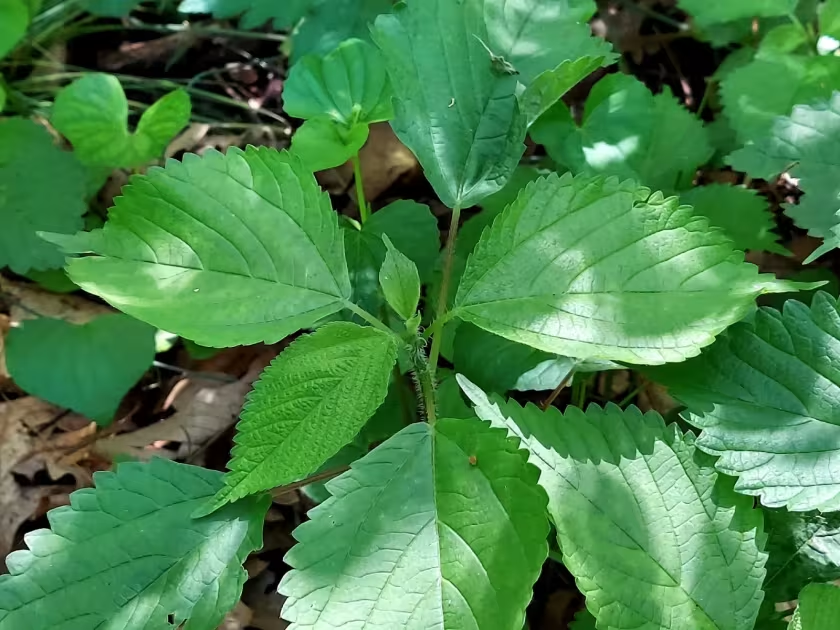
Canadian woodnettle (Laportea canadensis) is a perennial herbaceous plant belonging to the Urticaceae family. It is distinct in its growth habit, as it thrives in shaded, moist environments, often spreading via creeping rhizomes throughout the forest floor.
Propagation is commonly achieved through seed sowing or rhizome division. Seeds require a period of cold stratification; therefore, autumn sowing in outdoor beds is the most reliable method to ensure high germination rates in the following spring.
When using rhizome cuttings, they should be planted in early spring after the last hard frost. Planting in moist, humus-rich soil at a depth of 5 centimeters encourages robust root establishment and early vegetative development.
Spacing is a critical factor for success. Plants should be set 30 to 45 centimeters apart to allow for proper foliage development and airflow, which is essential for preventing fungal diseases in the dense leaf canopy.
For large-scale cultivation, nursery-grown seedlings are often preferred over direct seeding to ensure consistent stand density and to facilitate early season growth in controlled environments before transplanting.
Growing requirements
This species requires high humidity and consistent soil moisture. It is a shade-loving plant, making it ideal for agroforestry systems or intercropping in orchards where natural shade can protect it from intense sunlight.
Soil should be rich in organic matter and slightly acidic to neutral in pH. Adequate drainage is essential, even though the plant prefers moisture; saturated, stagnant water will lead to root rot and poor yields.
Temperature management is crucial. Canadian woodnettle prefers moderate climates. During prolonged heatwaves, it is necessary to provide supplemental overhead misting to keep the foliage cool and prevent the wilting of the delicate stems.
Nutrient requirements are met through the application of well-rotted compost or leaf mold, which mimics its natural forest habitat. Excessive synthetic nitrogen should be avoided to prevent weak stem growth.
Wind protection is highly beneficial, as the stems of Laportea canadensis can be fragile and prone to breakage if exposed to strong, drying winds in open field conditions.
Yield
The yield of Canadian woodnettle is primarily measured by the production of fresh greens. In optimal conditions, intensive stands can yield significant amounts of biomass, suitable for culinary or industrial applications.
Productivity typically peaks in the third year after establishment as the root system matures and the colony fully occupies the designated bed. Regular irrigation during the growing season is the primary driver of high biomass output.
For harvesting, the crop can be cut twice per season if the conditions are favorable. The first harvest occurs before flowering, followed by a period of recovery and moderate fertilization to support a second flush of growth.
Yield consistency relies on maintaining the plant's health and vigor through selective harvesting practices. Removing only the upper portions of the stem preserves the root viability for future seasons.
Proper management of the planting site, including weed control and hydration, ensures that the yield remains high throughout the lifespan of the perennial stand, usually lasting 5 to 7 years before replanting is necessary.
Main diseases and pests
Aphids are the most common pests, targeting the tender tips of the plant. Biological controls such as ladybugs or insecticidal soaps can be used effectively without damaging the quality of the edible greens.
Fungal issues, including leaf spot and powdery mildew, may occur if planting density is too high. Improving ventilation and strictly managing soil moisture levels are the most effective preventive measures.
Slugs and snails can cause significant damage to young spring shoots. Implementing barriers like copper tape or diatomaceous earth around the perimeter of the beds can protect the plants during their most vulnerable stage.
Root rot is a major threat in soils with poor aeration. Ensuring that the site is well-drained and the soil structure is friable helps to prevent the onset of anaerobic soil conditions that facilitate these pathogens.
Periodic monitoring is advised to detect early signs of infestation or disease. Early intervention, including the removal of infected parts, prevents the rapid spread of localized issues throughout the entire crop field.
Harvesting
Harvesting requires caution due to the plant's stinging hairs, which can cause skin irritation. Use heavy-duty gloves and long-sleeved clothing to ensure safety when handling the stalks during the gathering process.
The plants are typically harvested by cutting them several centimeters above the ground. This method protects the dormant buds on the rhizomes, ensuring the plant regrows vigorously in subsequent harvests.
Post-harvest handling is critical to quality. The greens should be transported to a cool location immediately to prevent wilting. Quick processing or chilling is required to maintain nutritional value and texture.
Drying for storage should be done in a shaded, well-ventilated area. Rapid moisture removal at low temperatures (below 45°C) preserves the green pigment and bioactive compounds, resulting in a premium final product.
Storage of the dried material should be in airtight, opaque containers kept in a cool, dry place. This prevents the degradation of nutrients and ensures that the quality remains high for extended periods of time.