
Laportea cuspidata
Laportea cuspidata
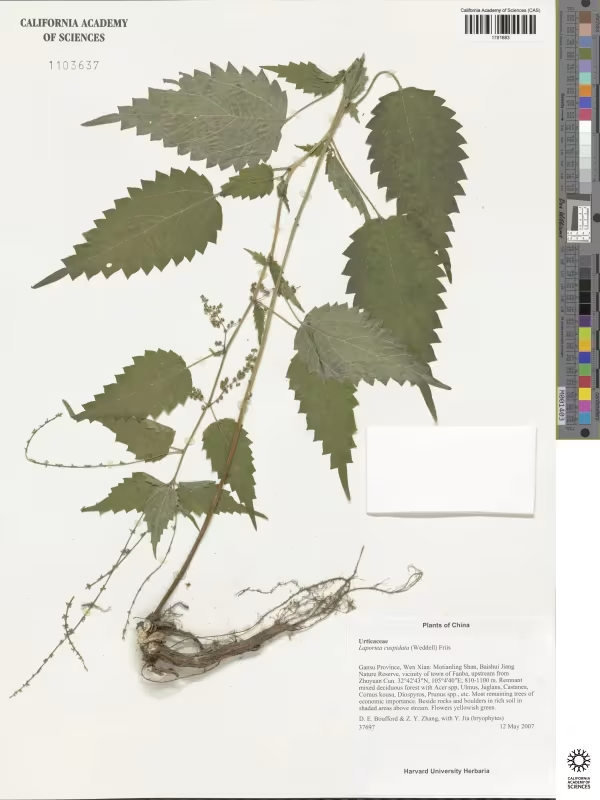
Description
Sowing dates
Sowing Laportea cuspidata, a member of the Urticaceae family, typically occurs in early spring once soil temperatures reach a stable 12–15°C.
Seeds may require a period of stratification to break dormancy; autumn sowing is a common alternative for those residing in regions with temperate climates.
The seeds should be planted at a shallow depth of 1–2 centimeters, ensuring they remain covered with light soil while receiving enough light to initiate germination.
When sowing in rows, maintain a spacing of at least 40–50 centimeters between plants to ensure adequate airflow and facilitate later management tasks.
Keeping the top layer of soil consistently moist is essential during the initial weeks to ensure uniform seedling emergence across the entire planting area.
Growing requirements
This crop thrives best in locations with filtered or dappled sunlight, as intense, direct afternoon sun can cause significant leaf scorch and dehydration.
Optimal growth is achieved in loose, fertile loam or chernozem soils that are rich in organic matter and possess a near-neutral pH level.
While moisture is necessary for robust growth, it is critical to prevent waterlogging, which often leads to root rot and other moisture-related pathologies.
Regular applications of organic fertilizer or balanced NPK blends during the vegetative stage will significantly boost biomass production and foliage health.
The plant performs best when protected from strong, drying winds, which can mechanically damage the delicate leaves and affect the plant's overall development.
Yield
The yield of Laportea cuspidata is highly dependent on effective crop management, consistent nutrient availability, and optimal moisture levels throughout the season.
Under favorable cultivation conditions and proper plant density, growers can expect biomass yields reaching up to 3–5 kilograms per square meter.
The highest concentrations of bioactive compounds are typically observed just before the onset of flowering, making this the prime time for harvesting.
Implementing a strategy of successive cutting of the apical shoots encourages bushy growth, which can substantially increase the total harvest volume per season.
Timely weed control and maintaining soil aeration are fundamental practices to ensure the plant reaches its full productive potential without competition.
Main diseases and pests
Common pests affecting this species include aphids and spider mites, which feed on succulent leaves and can quickly stunt the growth of young plants.
High humidity combined with poor ventilation often leads to outbreaks of powdery mildew and various leaf spot diseases that degrade product quality.
Slugs and snails can also pose a significant threat to young plants; therefore, keeping the field free of debris is essential for integrated pest control.
Biocontrol agents and safe fungicidal treatments should be applied at the first sign of infestation to prevent the spread of disease across the field.
Strict adherence to crop rotation principles is highly recommended to reduce soil-borne pathogen populations and maintain a healthy, productive growing environment.
Harvesting
Harvesting should be conducted during the stage of peak technical maturity, characterized by lush green leaves and flexible, non-woody stems.
Once harvested, the material must be moved quickly to a shaded, well-ventilated location to prevent heat build-up and the degradation of sensitive plant tissues.
Drying is best accomplished on elevated racks in a dark environment, which helps retain the natural color and chemical integrity of the harvested crop.
The use of breathable packaging materials is recommended for transport and storage to ensure that residual moisture does not lead to rot or microbial growth.
Efficient post-harvest management, including proper sorting and storage, is crucial for preserving the marketability and shelf life of the final agricultural product.