
Laportea peduncularis
Laportea peduncularis
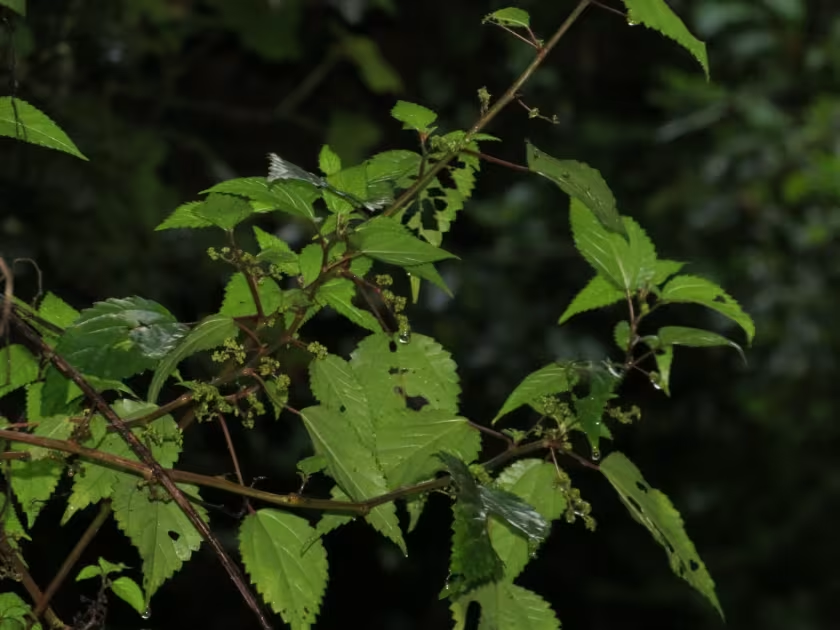
Description
Sowing dates
The sowing of Laportea peduncularis seeds is typically scheduled for early spring once the soil temperature is consistently above the required threshold. Given the small size of the seeds, they should be sown shallowly in well-prepared, loose soil to ensure optimal moisture contact and germination.
For industrial propagation, a tray or nursery bed method is preferred to manage seedling uniformity. Providing a consistent moisture level during the initial germination phase is crucial, as drying out can cause irreversible damage to the delicate embryos.
The optimal temperature range for the germination of this species lies between 20 and 25 degrees Celsius. In cooler environments, the use of germination mats or heat-controlled glasshouses is highly recommended to accelerate the establishment of the crop.
After the emergence of the first true leaves, the seedlings require a gradual acclimatization process before transplanting. This hardening phase helps the young plants adapt to the fluctuations of the external environment, reducing transplant shock.
Spacing the seedlings appropriately is essential for air circulation, which prevents the development of fungal pathogens. Crowding the plants often leads to etiolation and weakens the structural integrity of the stems as they mature.
Growing requirements
Laportea peduncularis belongs to the Urticaceae family and thrives in conditions that mimic its native tropical and subtropical habitats. It demands a high level of humidity and consistently warm temperatures to maximize its vegetative potential.
The crop requires fertile, nutrient-rich soils that possess excellent drainage properties. While the plant loves moisture, stagnant water in the root zone is highly detrimental and quickly leads to root rot or other physiological disorders.
Light management is a critical aspect of its agronomy. The plant prefers bright, filtered light; direct, intense sunlight, especially during peak afternoon hours, can cause leaf scorching and stress the plant, impacting its overall biomass yield.
Standard agronomic practices for this species include regular soil aeration to maintain oxygen levels at the root level and systematic fertilization. Nitrogen-heavy fertilizers are particularly effective in promoting the leafy growth necessary for harvesting.
Protection from cold winds and frost is essential. In temperate cultivation zones, this species must be maintained in greenhouses or controlled-environment shelters to survive the winter months and maintain active growth cycles.
Main diseases and pests
The primary threats to Laportea peduncularis cultivation are fungal infections caused by excessive moisture and poor ventilation. Powdery mildew and various leaf spot diseases are common, requiring proactive management to avoid significant yield losses.
Spider mites are notorious pests for this species, particularly in glasshouse environments with lower relative humidity. These pests feed on cell sap, which leads to leaf chlorosis and can stunt the growth of the entire plant if left unchecked.
Aphids can also infest the tender shoots of the crop during the active growth phase. Integrated pest management strategies, utilizing both biological controls and targeted chemical treatments, are necessary to protect the plant's health and market quality.
Root rot pathogens represent a severe risk if soil drainage is inadequate. Prevention through strict hygiene protocols and the use of sterile growing media is more effective than attempting to treat an established infection with fungicides.
Regular field scouting is recommended to detect pests and diseases at the earliest stage. Cleaning of tools and equipment after maintenance work helps prevent the accidental spread of pathogens between different parts of the cultivation area.