
Laportea aestuans
Laportea aestuans
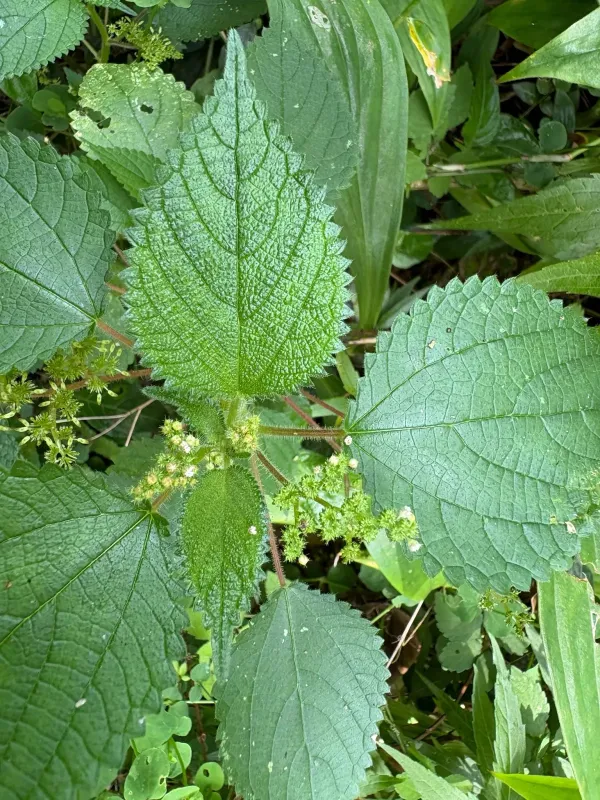
Description
Sowing dates
Laportea aestuans is an annual herb that thrives in tropical environments, characterized by a rapid growth cycle linked to high moisture periods. Successful cultivation requires careful attention to the timing of sowing to ensure maximum heat exposure for seed germination.
Seeds should be sown in a well-prepared seedbed during a period of consistently warm temperatures. Proper soil preparation involves ensuring the surface is loose, which facilitates the rapid emergence of the delicate seedlings.
The spacing between plants is crucial to avoid overcrowding, as this species can develop a robust vegetative structure. Adequate spacing ensures that each plant has enough light and access to nutrients throughout its development.
In regions with distinct seasons, sowing should be timed to coincide with the start of the wet season, which provides the necessary moisture for early growth phases. Consistent soil moisture during the first few weeks is essential for high success rates.
When managed in greenhouse conditions, sowing can be conducted year-round provided that temperatures remain above the threshold for plant growth. Early growth management is vital to ensure a healthy and uniform stand.
Growing requirements
Belonging to the Urticaceae family, Laportea aestuans prefers areas with high solar radiation and rich, organic soil. The plant adapts well to various soil types, provided that they have excellent drainage to prevent root issues.
The plant thrives in temperatures between 22 and 30 degrees Celsius. It is highly sensitive to frost, and even minor temperature drops can significantly impact its physiological functions and overall biomass production.
Water requirements are relatively high, yet the species demands soil that does not hold excess water for long periods. Implementing a drip irrigation system is often beneficial to maintain constant soil moisture without causing waterlogging.
Optimal growth is achieved in soils with a pH ranging from slightly acidic to neutral. Periodic testing and adjustment of soil nutrients are recommended to ensure a balanced development of the leaves and stems.
Ventilation is a key factor in the cultivation of this species, especially in humid tropical zones. Good airflow helps in reducing the humidity within the plant canopy, which is essential for disease prevention.
Main diseases and pests
The primary pests affecting Laportea aestuans include aphids and spider mites, which thrive in the same warm and humid conditions as the host plant. Early detection and integrated pest management strategies are necessary to protect the crops.
Fungal pathogens such as powdery mildew frequently pose a threat during periods of high humidity and poor ventilation. Keeping the area free of excess moisture and ensuring proper plant spacing are effective cultural controls.
Root rot, often caused by overwatering or poor drainage, remains one of the most common issues in managed stands. Ensuring that the planting site is elevated or properly drained significantly reduces the risk of this disease.
Weed management is vital during the early establishment phase to prevent competition for light and nutrients. Mechanical weeding is preferred, though care must be taken to handle the plant properly due to its stinging hairs.
When applying pesticides, it is essential to follow safety protocols. The stinging hairs of the plant can cause skin irritation, so personnel should use protective equipment during all maintenance and harvest activities.