
Laportea ruderalis
Laportea ruderalis
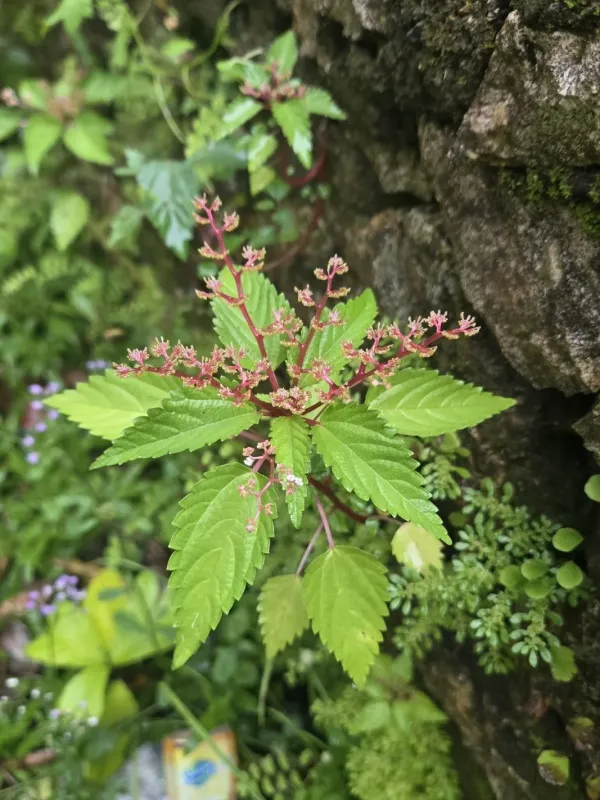
Description
Sowing dates
Sowing of Laportea ruderalis in its natural range is typically scheduled for the onset of the rainy season to ensure sufficient moisture for seedling emergence.
For controlled cultivation, seeds are sown in warm, moist soil, as the plant exhibits sensitivity to low temperatures during its initial development phase.
Seeds require only a light covering of loose substrate, as deep burial can impede the germination process and reduce the overall success rate.
Spacing between plants should be maintained at 30 to 40 centimeters to ensure adequate airflow and prevent resource competition between individual specimens.
When starting from seedlings, transplanting to the field is strictly recommended only after the soil has warmed sufficiently and frost risks have passed.
Growing requirements
Laportea ruderalis is a member of the Urticaceae family, native to tropical and subtropical regions across Oceania and parts of Australia.
The plant thrives in well-drained soils rich in organic matter, preferring a neutral to slightly acidic pH for optimal nutrient uptake and growth.
While the species requires abundant sunlight, it benefits from light shading during peak heat periods to prevent foliage damage and maintain plant health.
Consistent water availability is essential, as the plant is highly susceptible to drought stress, which can quickly lead to wilt and stunted development.
Regular maintenance of air humidity is beneficial for maximizing vegetative biomass, making it suitable for high-humidity greenhouse environments.
Main diseases and pests
Common pests affecting this crop include sap-sucking insects like aphids and spider mites, which can cause significant damage to the succulent leaves.
Fungal diseases, such as leaf spot and various root rots, are prevalent under conditions of high humidity combined with poor field ventilation.
Effective pest management relies on early detection and the use of integrated biological control strategies to maintain crop quality and productivity.
Weed control is a critical aspect of plant protection, as invasive species can easily outcompete the crop for nutrients and host secondary pathogens.
Implementation of proper crop rotation cycles is recommended to prevent the buildup of soil-borne pathogens in areas dedicated to intensive production.
Harvesting
The harvesting process involves selective picking of leaves and young stems, allowing the plant to maintain a continuous production cycle for longer.
Using sterile, sharp cutting tools is essential to minimize plant stress and prevent the entry of diseases through the damaged tissue surfaces.
Early morning harvests are standard, as the plants retain the highest moisture content and turgor pressure at this time of the day.
Post-harvest handling must be efficient, with produce moved to cooling areas immediately to prevent rapid dehydration and quality degradation.
For market distribution, harvested material should be stored in ventilated containers to prevent heat buildup and maintain the freshness of the leaves.