
Laportea alatipes
Laportea alatipes
Description
Growing requirements
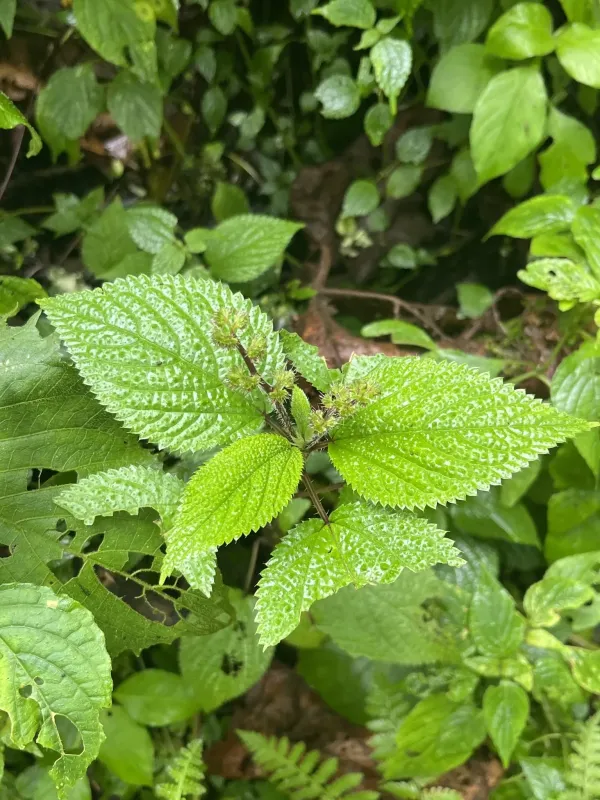
Laportea alatipes, a member of the Urticaceae family, is a perennial herb native to the mountain forests of East Africa. It is recognized for its unique morphology, characterized by winged petioles and specialized stinging hairs that serve as a defense mechanism against herbivores.
This crop thrives in warm, humid climates with consistent rainfall. In agricultural settings, it requires shaded conditions to mimic its natural understory habitat, preventing leaf scorch and promoting lush vegetative growth suitable for harvesting.
The soil profile for Laportea alatipes must be rich in organic matter, well-draining, and slightly acidic. Frequent irrigation is necessary to maintain moisture levels, yet excessive waterlogging must be avoided to protect the plant's sensitive root structure from rot.
Cultivation practices in modern settings focus on controlled-environment agriculture, such as greenhouses, where light intensity and temperature can be meticulously adjusted. This ensures year-round production of consistent plant biomass for potential pharmacological applications.
The plant is highly regarded for its traditional uses in local ethnobotanical practices. Its chemical profile, which includes various secondary metabolites, makes it a subject of interest for further research into natural anti-inflammatory and tonic compounds.
Main diseases and pests
Fungal pathogens remain the most significant threat to this crop, particularly in high-humidity cultivation systems. Root rot and foliage blight can devastate stands if proper ventilation and moisture management protocols are not stringently followed.
Insect pests, including aphids and spider mites, are frequently observed in sheltered environments. Early detection through regular crop scouting is vital, and the application of organic-certified acaricides or biocontrol agents is recommended to maintain product quality.
Occupational safety is a major concern due to the stinging hairs present on the leaves and stems. Personnel handling the plants must utilize protective gear, including puncture-resistant gloves and long sleeves, to prevent skin irritation and allergic reactions.
Viral pathogens, often vectored by insects, pose a long-term risk to crop vitality and yield. Implementing a rigorous sanitary program, which includes disinfecting tools and eliminating host weeds, is essential for maintaining the longevity of the plant population.
Overcrowding leads to poor air circulation, which acts as a primary catalyst for disease outbreaks. Proper plant spacing is therefore an essential component of the agronomic management plan to ensure individual plant health and overall plot productivity.