
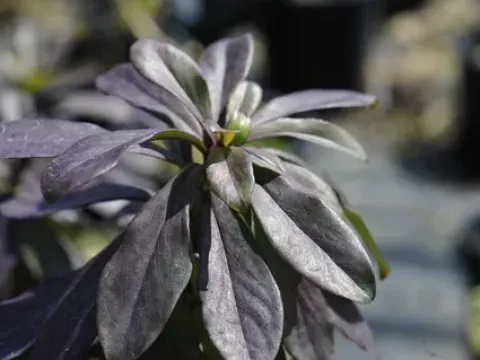
Daphne houtteana
Daphne houtteana
Daphne houtteana is a hybrid shrub belonging to the Thymelaeaceae family. It is highly valued in horticulture for its distinct structural form and semi-evergreen foliage, which retains its visual appeal throughout much of the year.
What the section contains
Daphne houtteana
Successful cultivation requires soil that is rich in organic matter and offers exceptional drainage. The root system of this species is sensitive to hypoxia, making it essential to avoid waterlogged conditions at all costs.
This plant thrives in dappled shade or partial sun. Exposure to harsh, direct sunlight often causes leaf scorch, particularly in warmer climates where the intensity of UV radiation can damage the plant's delicate tissues.
Regarding climate, the shrub prefers stable, moderate conditions. While it is reasonably hardy, it benefits from a protective layer of mulch during winter to shield the root system from deep soil freezing and sudden temperature shifts.
Maintenance involves cautious pruning to maintain shape and the application of balanced fertilizers during the active growing season. It is a slow-growing species, so patience is required to develop a mature, healthy specimen.
Phytophthora root rot is the most serious threat to this species, often resulting from improper irrigation management or excessively heavy, compacted soil types.
Aphids frequently target the new, succulent growth in the spring. Their feeding habits can lead to stunted development and the transmission of harmful plant viruses, necessitating early intervention.
Leaf spot pathogens can proliferate during periods of prolonged high humidity, creating unsightly blemishes that can lead to premature leaf drop if left untreated by fungicides.
Weevils may occasionally damage the root system or the edges of leaves, making it important to monitor the surrounding soil and foliage throughout the gardening season.
Integrated pest management, including regular inspection and the use of targeted sprays, is necessary to keep the plants healthy and ensure they remain aesthetically pleasing in the garden landscape.