
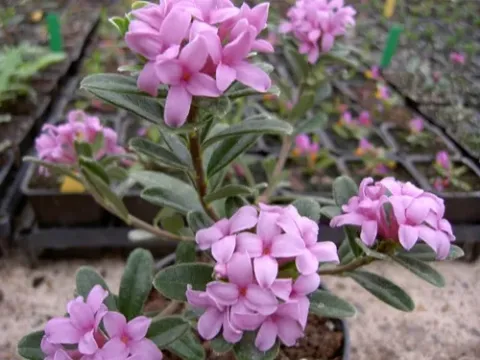
Daphne hybrida
Daphne hybrida
Daphne hybrida is an ornamental shrub belonging to the Thymelaeaceae family, highly valued for its striking fragrance and persistent foliage. As a hybrid, it combines the structural elegance of its parent species with improved adaptability for garden conditions.
What the section contains
Daphne hybrida
The plant thrives in partial shade, as excessive direct sunlight can scorch the leaves and stunt growth. It performs best in regions with mild temperatures, where the climatic conditions do not include severe, prolonged frost or extreme arid heat, making it an excellent choice for temperate landscapes.
Cultivation requires well-drained, fertile soil with a slightly acidic to neutral pH level. Proper drainage is the most critical factor; the root system is highly susceptible to hypoxia and rot if the soil remains waterlogged for extended periods, even during the active growing season.
Agricultural management involves consistent watering during dry spells, ensuring the moisture reaches the deeper roots without saturating the surface layer. Fertilization should be light, using balanced organic or mineral mixes applied in early spring to support the initial flush of growth.
Pruning is usually minimal, focused primarily on removing dead or damaged branches to maintain the natural shape of the shrub. Because the plant is slow-growing, aggressive trimming should be avoided to prevent stress and ensure that the plant retains its dense, attractive habit over time.
Daphne hybrida contains toxic compounds that deter many herbivores, yet it remains vulnerable to sap-sucking insects like aphids and spider mites. Regular scouting of the foliage, especially during warm spring months, is necessary to catch potential infestations before they cause visible damage.
Root rot pathogens, including Phytophthora species, are the primary biological threat to the health of the plant. These fungi thrive in cool, damp soils, necessitating rigorous soil management and the avoidance of over-irrigation in poorly drained garden sites.
Fungal leaf spot diseases may appear during periods of high humidity and poor air circulation. Removing fallen leaves from the base of the shrub and ensuring adequate spacing between plants can significantly reduce the risk of pathogen spread throughout the planting area.
While viruses are less common than fungal issues, they can be introduced via contaminated tools or insect vectors. Symptoms like yellowing or distorted foliage should be addressed immediately by pruning affected sections or removing the entire plant to protect the surrounding landscape.
All gardening activities should be conducted with care, as all parts of the plant are considered toxic to humans and pets. Using gloves and ensuring tools are cleaned after pruning is essential for maintaining both plant health and human safety during maintenance operations.