
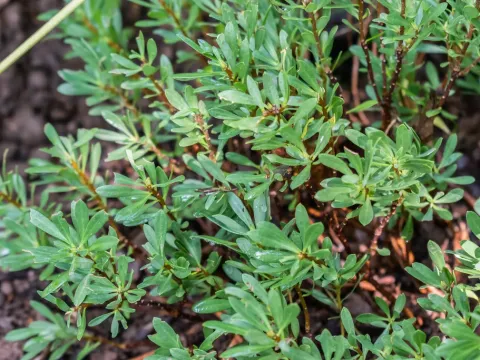
Daphne kosaninii
Daphne kosaninii
Daphne kosaninii is a distinctive shrub belonging to the Thymelaeaceae family, known for its compact growth habit and ornamental value. It is native to the mountainous regions of the Balkan Peninsula, specifically localized in Albania and North Macedonia.
What the section contains
Daphne kosaninii
Botanically, this species thrives in rocky, limestone-rich habitats. Its root system is highly adapted to crevices and stony soil profiles, which allow for rapid drainage. When introduced to cultivation, maintaining these specific physical soil properties is essential for plant longevity.
The climate requirements for this shrub involve cool, well-ventilated locations with moderate moisture. It is best suited for semi-shaded garden areas, as direct scorching sun can cause stress and damage the foliage. Proper protection from intense mid-summer heat is highly recommended.
Successful agrotechnique includes strict adherence to irrigation schedules. While the soil should not be bone dry, any signs of waterlogging must be avoided at all costs. The use of gritty, inorganic mulching around the base helps mimic the natural mountainous environment and protects the root collar.
Ornamental use of this species is largely limited to rock gardens or specialized collections due to its slow growth rate. Gardeners must handle the plant with care, wearing gloves at all times, as the tissues of Daphne species contain complex toxins that can cause skin irritation or poisoning if ingested.
Fungal infections, particularly root rot caused by Phytophthora species, represent the most critical threat to Daphne kosaninii. These pathogens flourish in poorly drained or overly damp soils, often leading to rapid and irreversible plant death.
Insect pests such as aphids and spider mites may target the shrub during the active growing season. Infestations typically concentrate on young, tender shoots and the undersides of leaves, resulting in stunted development and increased vulnerability to viral diseases.
Environmental threats include late spring frosts, which can damage emerging buds and sensitive new growth. Furthermore, physical damage to the bark from rodents during the winter season can serve as an entry point for opportunistic pathogens and wood-decaying fungi.
Management strategies involve a combination of rigorous sanitation and chemical control. Regular pruning of dead or diseased branches, performed with disinfected tools, is vital to prevent the spread of fungal spores throughout the canopy.
For chemical intervention, systemic fungicides are recommended if early signs of disease appear. Maintaining balanced soil nutrient levels and ensuring optimal airflow around the shrub significantly reduces the likelihood of severe pest or disease outbreaks throughout the year.