
Thunberg's grape
Vitis thunbergii
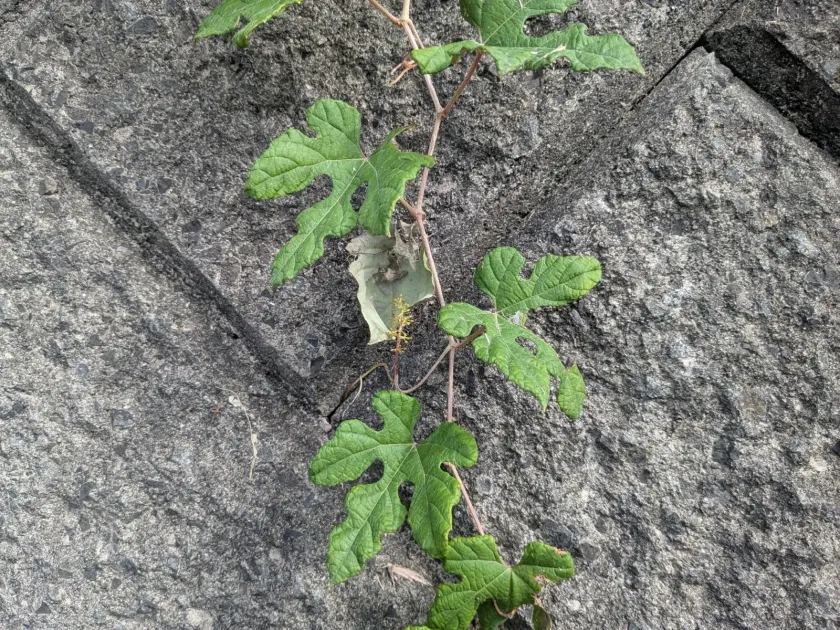
Description
Growing requirements
Thunberg's grape (Vitis thunbergii) is a perennial woody vine belonging to the Vitaceae family. Originating from East Asia, this species is native to diverse forest habitats across China, Korea, and Japan, where it thrives in natural wild conditions.
The plant is known for its vigorous growth habit, often reaching significant lengths of up to 15 meters. It features specialized tendrils that allow it to climb and cover various supports, such as trees, walls, or man-made trellises, creating a dense canopy of foliage.
Cultivation requirements for Vitis thunbergii include well-drained, nutrient-rich soils. While it is adaptable to various soil types, providing consistent moisture during the establishment phase is crucial for deep root development and overall plant health.
Agrotechnical management involves regular pruning to control growth and promote a desired shape. As an ornamental plant, it requires periodic trimming to prevent it from outgrowing its designated space, especially when used in public gardens or residential landscaping.
Its primary use is vertical landscaping. The dense foliage provides excellent screening, making it a popular choice for covering fences, pergolas, and arbors. The species is highly valued for its ability to provide cooling shade and its aesthetic contribution to garden structures.
Main diseases and pests
Like other species in the Vitis genus, Thunberg's grape is susceptible to major fungal diseases such as downy mildew (Plasmopara viticola) and powdery mildew. These diseases can negatively affect leaf appearance and hinder the plant's overall vigor.
Pest pressures primarily include spider mites, which can be particularly damaging during hot and dry weather. Additionally, various leaf-rolling insects and the grape phylloxera can cause significant stress to the vine if not managed with proper monitoring.
Disease control strategies rely on cultural practices, such as ensuring adequate airflow around the vine and avoiding excessive overhead watering. Removing infected foliage and debris can also help reduce the inoculum load within the garden environment.
When chemical intervention is necessary, the application of fungicides and acaricides should be performed carefully, following label instructions. Rotating chemical groups is recommended to prevent the development of resistance in target pathogens and pests.
Maintaining high plant vigor through proper fertilization and watering is the best defense against threats. Healthy, well-nourished plants are generally more resilient and can recover faster from minor pest outbreaks or environmental stressors.