
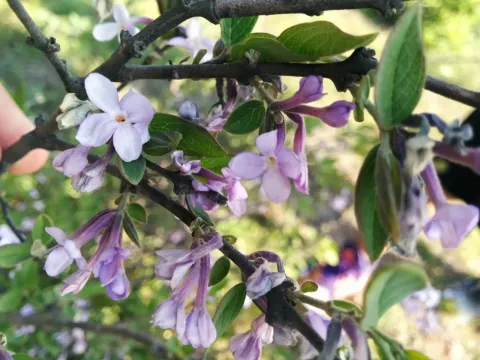
Daphne genkwa
Daphne genkwa
Daphne genkwa is a deciduous shrub belonging to the Thymelaeaceae family, widely recognized for its high value in traditional pharmaceutical applications.
What the section contains
Daphne genkwa
Cultivation starts with careful seed selection or vegetative propagation through cuttings, which is often preferred for maintaining the quality of the parent stock.
Seeds require cold stratification, so autumn sowing in prepared nursery beds is recommended to mimic natural conditions for successful germination.
When propagating via cuttings, semi-hardwood segments are treated with rooting hormones and placed in a high-humidity environment until established.
The transplantation of young seedlings to the field occurs in early spring, ensuring the soil is adequately warmed and enriched with organic compost.
This crop thrives in well-drained, sandy loam soils with a slightly acidic profile, as it is highly sensitive to root asphyxiation in waterlogged conditions.
Daphne genkwa requires a location with full to partial sun exposure, which is crucial for optimal photosynthesis and the concentration of active medicinal compounds.
Climate adaptability involves moderate winters; however, severe frosts can cause damage to terminal buds, so site selection with proper microclimate is essential.
Irrigation management must be precise, focusing on maintaining moisture levels during the peak growing season without allowing standing water near the root crown.
Regular maintenance includes light pruning after the flowering season to encourage vigorous growth and improve the structural integrity of the shrub.
The primary concern for growers is the prevalence of fungal pathogens, specifically those causing root rot, which thrive in poorly drained soils and excessive humidity.
Powdery mildew is a common foliage threat, often emerging when air circulation within the plantation is restricted due to excessive plant density.
Pests like aphids and spider mites can cause significant damage to young shoots, potentially impacting the chemical yield of the flower buds.
Integrated pest management strategies, focusing on biological controls and timely application of soft fungicides, are recommended for maintaining plantation health.
Field sanitation is critical; removing debris and controlling nearby weeds significantly reduces the risk of pest infestation and the spread of pathogenic spores.
The harvest focuses on the flower buds, which are manually picked before they fully open to preserve the volatile oils and active pharmaceutical ingredients.
This labor-intensive process requires scheduling based on the specific microclimate of the farm to ensure all buds are collected at their peak potency.
Post-harvest handling is critical, involving immediate drying in climate-controlled environments to prevent fermentation or chemical degradation of the delicate buds.
Once dried, the product is sorted for quality and stored in light-proof, moisture-free containers to maintain stability for long-term supply to pharmaceutical manufacturers.
Sustainable harvesting practices are essential to ensure the longevity of the shrubs, allowing for annual harvests over the productive lifespan of the culture.