
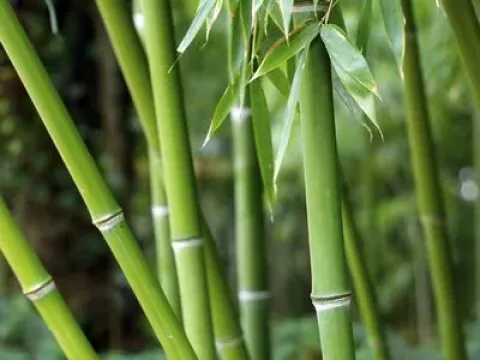
Thorny bamboo
Bambusa arundinacea
Thorny bamboo (Bambusa arundinacea) is a giant timber bamboo species belonging to the Poaceae family, known for its dense, thorny branches and rapid growth rate.
What the section contains
Thorny bamboo
Originating from India and Southeast Asia, this species thrives in tropical climates where humidity remains high and seasonal temperatures do not drop below the freezing point.
Agricultural success depends on providing fertile, well-drained loamy soils. While the plant requires plenty of moisture, it cannot tolerate waterlogged conditions which inhibit root respiration.
Propagation is typically done through rhizome cuttings or culm cuttings, as the flowering cycle of this species is extremely irregular and infrequent.
The plant is highly valued for its versatile wood used in construction, flooring, paper pulp production, and as an essential source of sustainable fiber in modern industry.
Bamboo mites represent a major pest that creates fine webbing under leaves, leading to leaf discoloration and a general decline in the plant's health.
Various fungal pathogens, such as smut and leaf rust, occur in humid environments where air circulation is restricted within the bamboo grove.
Stem borers pose a critical threat to young, tender shoots by tunneling into the culms and compromising the structural strength of the mature timber.
Rodents such as rats and porcupines are known to feed on the fresh rhizomes and new shoots, often causing significant damage to young plantations.
Integrated pest management, including regular grove thinning and the removal of dead or decaying biomass, is crucial for maintaining a healthy and productive stand.