
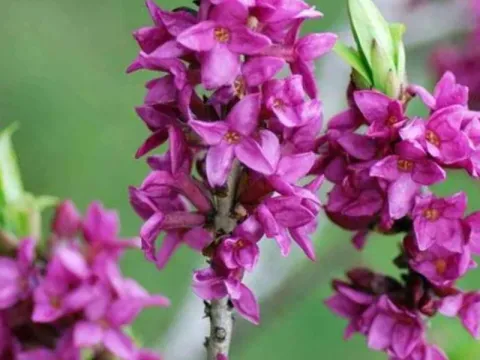
Daphne hybrids
Daphne hybrids
Daphne hybrids belong to the Thymelaeaceae family. These plants are prized in professional and amateur horticulture for their exceptionally fragrant flowers and early blooming period, which adds significant value to a garden landscape.
What the section contains
Daphne hybrids
The culture requires well-drained, fertile, and slightly moist soil to flourish. Achieving the correct soil moisture balance is critical, as these shrubs are highly sensitive to waterlogging, which often leads to root damage and subsequent decay.
These hybrids generally perform best in partial shade, where they are protected from the harsh afternoon sun. Exposure to intense sunlight can scorch the foliage and reduce the vigor of the plant, while sufficient light is necessary for healthy blooming.
Regarding climate, Daphne hybrids favor temperate environments with mild winters. In areas with harsher climates, protection from wind and mulching around the root zone are recommended to ensure the plant survives the winter months without significant damage.
Cultivation practices involve minimal disturbance to the root system, as Daphne plants are known to resent being moved or having their roots heavily cultivated. Mulching is highly beneficial to maintain consistent moisture and soil temperature.
The primary health threats to Daphne hybrids are fungal infections such as botrytis and leaf spot. These pathogens thrive in conditions of poor air circulation and excessive humidity, making proper spacing and pruning essential.
Common pests include aphids and spider mites, which can infest the succulent new growth and cause leaf distortion. Regular scouting and immediate intervention with appropriate pest control methods help maintain plant vitality.
Root rot is a major risk when soil drainage is insufficient. Growers must be vigilant about irrigation practices, ensuring the soil is moist but not saturated, as this is the most common cause of premature plant decline in cultivated settings.
It is crucial to emphasize that all parts of the Daphne plant are toxic due to the presence of daphnin and other compounds. Protective gear, particularly gloves, must be worn when pruning or handling the plant to avoid skin irritation.
To mitigate disease pressure, it is recommended to maintain a clean garden environment and promptly remove any dead or infected wood. These simple sanitation practices are the first line of defense against many of the common fungal threats.