
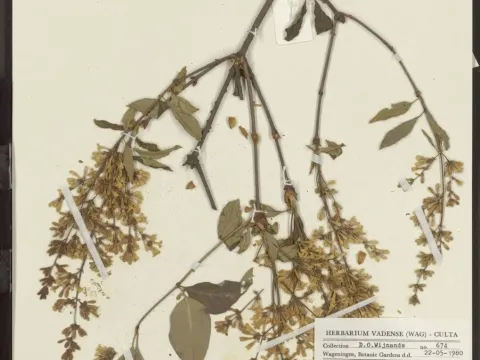
Tigerstedt lilac
Syringa tigerstedtii
Tigerstedt lilac (Syringa tigerstedtii) is a unique species of flowering shrub belonging to the Oleaceae family. Originating from the mountainous regions of China, this plant is valued for its hardiness and elegant floral display in various garden environments.
What the section contains
Tigerstedt lilac
The cultivation of this species requires a location with full sun exposure to ensure healthy foliage growth and consistent annual flowering. Providing sufficient light is the most critical factor for the overall vigor of the shrub, especially in temperate climate zones.
Regarding soil requirements, the Tigerstedt lilac prefers fertile, well-drained loamy soils. It is essential to avoid sites with heavy, clay-based substrates that are prone to waterlogging, as the root system is highly sensitive to excessive moisture saturation.
Essential agricultural practices include moderate watering during establishment and prolonged dry spells. Applying organic mulch around the base of the plant helps to maintain soil moisture levels and suppress weed competition during the active growth phase.
In terms of economic and landscape use, this species is primarily utilized for its high ornamental value in specialized collections and private estates. It serves as a striking focal point, particularly when planted in well-drained, raised garden beds or sheltered borders.
The primary health concerns for Syringa tigerstedtii include powdery mildew and other foliar fungal diseases. Ensuring adequate airflow between plants by proper spacing is a key preventative measure to keep the foliage healthy throughout the summer.
Insect pests, such as lilac leaf miners and scale insects, may occasionally infest the plant. Early detection via visual inspection and the application of targeted horticultural oils or insecticides can effectively manage these populations and preserve the plant's structural integrity.