
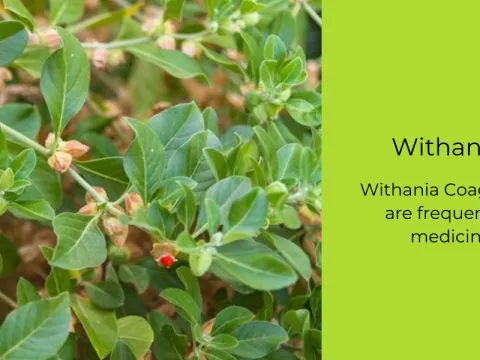
Withania coagulans
Withania coagulans
Withania coagulans is a hardy perennial shrub belonging to the Solanaceae family. It is native to arid zones in South Asia and is highly valued for its unique dairy-coagulating properties.
What the section contains
Withania coagulans
Propagation is typically done through seeds. The sowing process requires warm soil temperatures, ideally between 25 and 30 degrees Celsius, to ensure rapid and uniform germination of the seeds.
Seeds are sown shallowly, about 1.5 to 2 centimeters deep, in well-prepared seedbeds or directly in the field. Pre-soaking seeds in water can significantly improve germination rates in drier climates.
Proper plant spacing is essential for high yields. Providing enough space between rows and individual plants allows for better air circulation and sunlight penetration, which is vital for the health of the shrub.
Starting the crop in nursery containers and transplanting later is a common agronomic practice that helps in establishing a strong root system before placing the plants in open field conditions.
As a xerophytic plant, Withania coagulans thrives in direct sunlight and requires a high-intensity light environment to maximize the production of bioactive secondary metabolites in its fruits.
The choice of soil is crucial for successful cultivation. It prefers sandy or loamy soils with excellent drainage characteristics; waterlogged soil is highly detrimental to the plant and leads to root rot.
The plant is adapted to warm and dry climates. It is not frost-tolerant, so in regions with cold winters, the crop must be treated as an annual or grown in controlled greenhouse environments.
Irrigation should be managed carefully. While the plant can withstand drought, supplemental watering during the peak flowering and fruiting stages helps in boosting the final yield significantly.
Fertilization with organic matter provides essential nutrients without inducing excessive succulent growth, which might attract pests and reduce the concentration of active enzymes in the berries.
The primary yield from this crop consists of its dried berries, which are globally known for containing powerful vegetable rennet, an enzyme used extensively in traditional cheese-making processes.
The yield potential is dependent on the age of the shrub and the maintenance practices employed. Mature plants typically exhibit higher fruiting density and better enzyme activity in the harvested berries.
Harvesting is labor-intensive as the fruits do not ripen all at once. Multiple picking cycles are usually required to ensure that all berries are harvested at their peak physiological maturity.
Post-harvest handling is critical to preserve the enzymatic quality. Berries must be cleaned and processed shortly after collection to prevent degradation caused by high ambient humidity or heat.
Standardizing the harvest based on color changes and fruit firmness ensures that the raw material meets the quality standards required by the dairy or pharmaceutical industries.
Withania coagulans faces common pressures from Solanaceae-specific diseases, including blight and various fungal pathogens that thrive in high-humidity micro-climates within the crop canopy.
Insect pests such as aphids and spider mites can cause severe damage during dry spells, weakening the plant's structural integrity and significantly reducing the overall productivity.
Integrated Pest Management (IPM) strategies, including the use of neem-based oils or beneficial insects, are recommended to maintain the organic status of the crop and minimize chemical residues.
Ensuring proper plant density and sanitation—such as removing debris from previous seasons—is an effective way to prevent the overwintering of pathogens and keep the plantation healthy.
- Regular monitoring for early signs of spider mite infestation
- Using raised beds to improve soil drainage and prevent fungal infection
- Implementing crop rotation to break the pest and disease cycle
The harvesting stage begins when the berries turn from green to a deep orange or brown, indicating high enzymatic maturity. Fruits should be picked manually to avoid bruising.
Once gathered, the berries are cleared of any stems, sepals, or foreign debris. This ensures that the final product is clean and suitable for the extraction of the rennet enzyme.
Drying must be conducted in well-ventilated, shaded areas. Rapid drying in direct sunlight can sometimes lead to the denaturation of sensitive proteins and enzymes contained within the fruits.
For industrial-scale operations, controlled-temperature drying units are used. The temperature is strictly maintained below 45 degrees Celsius to safeguard the biological activity of the plant materials.
The final dried product is stored in airtight containers or moisture-proof packaging. Proper storage conditions are essential to maintain enzyme activity for long-term supply and industrial use.