
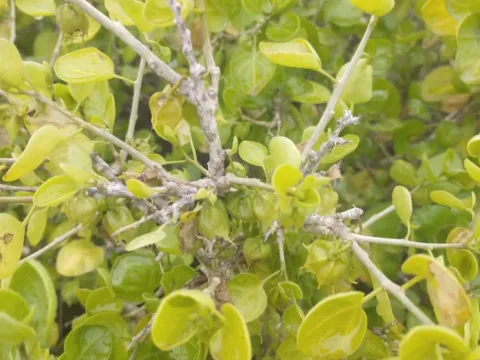
Withania frutescens
Withania frutescens
Withania frutescens is a perennial shrub belonging to the Solanaceae family. Seeds are typically sown in early spring, once the soil temperature consistently reaches 18–20 degrees Celsius to ensure uniform germination.
What the section contains
Withania frutescens
For successful establishment, a well-draining, loose substrate is required. Seeds should be planted at a depth of approximately 0.5–1 cm, maintaining consistent moisture levels until seedlings emerge.
In temperate climates, starting seeds indoors or in greenhouses is highly recommended. This practice allows for a more controlled environment during the vulnerable germination phase.
Planting density is crucial for long-term health. A spacing of 60 cm between plants and 80 cm between rows is ideal to prevent overcrowding and ensure adequate airflow for disease prevention.
Propagation through cuttings is a viable alternative for maintaining genetic consistency. Cuttings should be rooted in a sand-peat mixture under high humidity conditions to stimulate rapid root development.
This species is highly heat-tolerant and thrives in Mediterranean-like climates. It requires significant sun exposure throughout the day to achieve optimal growth and secondary metabolite production.
Soil requirements focus on excellent drainage. Withania frutescens cannot tolerate waterlogged conditions, as this frequently leads to root rot and other moisture-related pathologies.
Watering should be deep and infrequent, allowing the top layer of soil to dry out between applications. Consistent overwatering is one of the most common mistakes in managing this shrub.
Soil pH should be neutral to slightly alkaline for best results. It is advisable to conduct soil testing before large-scale planting to ensure nutrient availability is within the target range.
Regular fertilization with organic compost or a balanced, low-nitrogen mineral blend supports root growth, which is essential since the roots are the primary focus of the cultivation.
Being a member of the nightshade family, Withania frutescens is susceptible to several common agricultural pests and diseases. Root rot caused by fungal pathogens is a persistent threat.
Aphids and spider mites are the most common insect pests. These organisms suck sap from tender shoots, which can stunt plant growth and potentially transmit harmful viruses.
Preventative measures include practicing rigorous crop rotation. Avoid planting with other nightshades, as they often share the same specific pathogens and soil-borne pests.
Integrated pest management (IPM) strategies are strongly encouraged. This includes the use of beneficial insects or botanical-based sprays rather than harsh synthetic chemicals.
Monitoring for signs of wilting or leaf discoloration is essential. Early intervention through pruning affected parts or adjusting irrigation can often save the plant from further damage.
The primary harvest target for Withania frutescens is the root system, where the medicinal compounds are concentrated. Harvesting typically takes place after the plant has reached 2–3 years of age.
Care must be taken during the digging process to extract the roots without significant damage. Once extracted, the roots are thoroughly cleaned of soil particles to maintain purity.
Drying is a critical step in post-harvest processing. It must be performed in a cool, shaded, and well-ventilated area to prevent the degradation of heat-sensitive pharmacological compounds.
Aerial parts and fruits may also be harvested depending on specific requirements. This process should occur during late summer when the fruit has reached physiological maturity.
The final product should be stored in airtight, moisture-resistant containers in a cool environment to extend its shelf life and maintain its medicinal potency over time.