
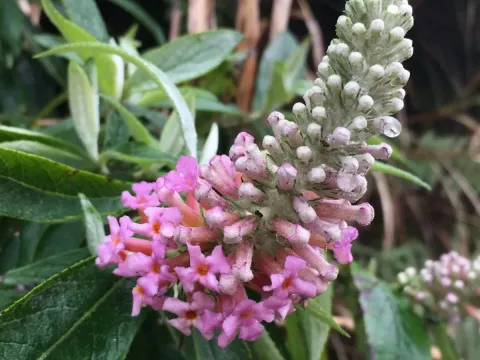
Long-spiked butterfly bush
Buddleja macrostachya
The long-spiked butterfly bush (Buddleja macrostachya) is a deciduous flowering shrub belonging to the Scrophulariaceae family. It is native to the mountainous regions of the Himalayas and China, where it thrives in diverse ecological niches along forest margins.
What the section contains
Long-spiked butterfly bush
Botanically, this shrub is characterized by its significant size and prominent, long, dense spikes of flowers that can reach impressive lengths. The foliage is typically lanceolate and possesses a fine, soft pubescence, which contributes to its unique ornamental appeal.
This species demands a sunny location to reach its full potential, as adequate light is essential for robust stem development and consistent flowering throughout the summer season. Protection from strong, drying winds is also highly recommended.
Soil requirements focus on fertility and drainage; a loamy substrate with a neutral pH is ideal for promoting healthy root growth. Heavy, compacted soils should be amended with organic compost and sand to improve drainage and aeration.
Water management is critical during the initial establishment phase, though mature specimens demonstrate moderate drought tolerance. Mulching around the base helps retain soil moisture and prevents rapid evaporation in warmer climates.
Common pests affecting this shrub include spider mites and whiteflies, which tend to infest the undersides of the leaves, especially during periods of prolonged heat and dry weather conditions.
Pathogenic fungi, such as gray mold (Botrytis), can manifest if air circulation within the shrub's canopy is restricted. Proper spacing during planting is the primary preventative measure against these infections.
Root rot is a significant risk in poorly drained sites, often caused by waterlogging. Ensuring that the crown of the plant is slightly elevated during planting can help mitigate this danger.
Pruning is an essential maintenance task that not only shapes the shrub but also removes dead or diseased wood that could act as a reservoir for spores and pest larvae during the winter.
Integrated pest management, including the introduction of beneficial predatory insects, is recommended for sustainable control without the excessive use of chemical pesticides in garden environments.