
Leucophyllum
Leucophyllum
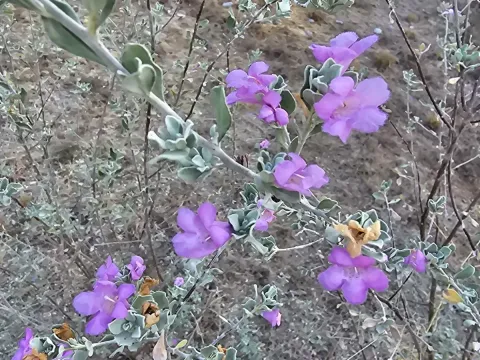
Leucophyllum is a genus of flowering shrubs belonging to the Scrophulariaceae family, originating from the arid regions of the southwestern United States and Mexico.
What the section contains

Leucophyllum
This shrub is highly valued for its striking silvery-grey foliage, which acts as a natural adaptation to intense solar heat and high-temperature environments.
To ensure optimal development, the culture requires full sun exposure and well-draining soil, typically sandy or rocky, mimicking its native desert habitats.
The plant is exceptionally drought-tolerant; excessive soil moisture is detrimental, meaning that water management is the most critical aspect of successful cultivation.
Agricultural practices involve minimal fertilization and occasional pruning to maintain a dense, aesthetic shape, as the plant responds well to controlled trimming.
Root rot is the primary threat to Leucophyllum, typically caused by poorly drained soil or over-irrigation in stagnant climatic conditions.
While generally pest-resistant, the plant can occasionally host common garden pests like mealybugs or scale insects if the shrub's health is compromised.
Fungal leaf spot may occur in humid environments where air circulation is restricted, potentially leading to premature foliage loss.
To minimize threats, gardeners should ensure the plant is situated in an area with excellent airflow to help dry out the soil and foliage quickly after any rainfall.
Consistent monitoring and the application of integrated pest management strategies are advised if localized infestations of aphids or mites are detected.