
Long-branched mullein
Verbascum macrurum
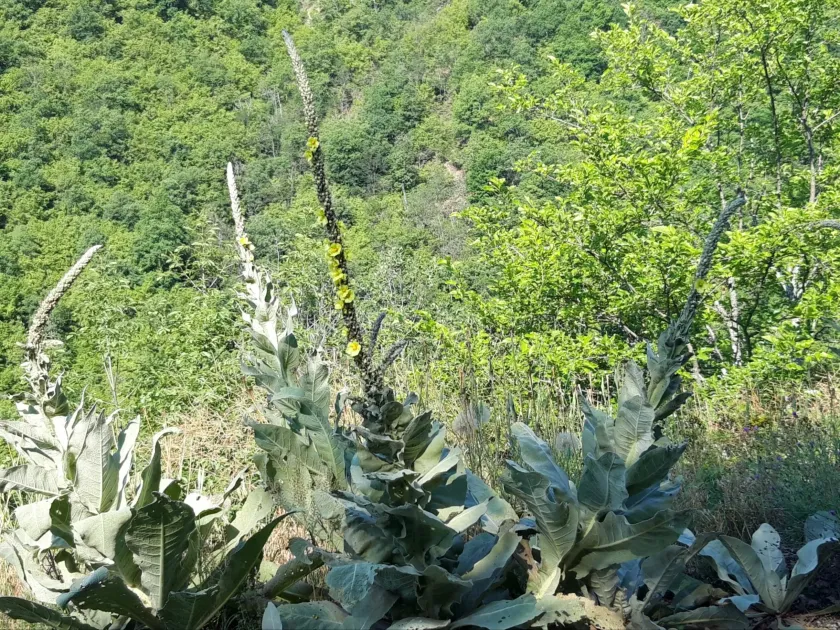
Description
Sowing dates
The sowing of Verbascum macrurum involves surface placement of seeds due to their very small size. They should be thinly covered with light soil or fine sand to ensure they receive sufficient light for germination.
Spring is the ideal time for sowing, once the risk of heavy frosts has passed and the soil begins to warm up. Fall sowing is also an option in regions with mild winters, allowing seeds to germinate naturally in spring.
When starting seeds in trays, a light seed-starting mix is recommended. Maintain a stable temperature between +18°C and +20°C, and keep the substrate consistently moist until germination occurs.
Thinning is necessary if the seedlings are too close together in the nursery stage. Seedlings should be transplanted to their final location when they are strong enough to handle root disturbance.
Proper spacing is crucial for mature plants to allow for healthy rosette development. Ensure that each plant has a footprint of at least 50 centimeters to prevent overcrowding and shading issues.
Growing requirements
As a member of the Scrophulariaceae family, the long-branched mullein is a hardy plant that thrives in full sun and well-drained soil. It is highly valued for its ability to grow in poor, sandy, or rocky terrains.
The species is exceptionally drought-tolerant once established. Its deep taproot allows the plant to access moisture from deeper soil layers, making it suitable for low-input agricultural systems.
Soil pH preference is broad, though it performs best in neutral to slightly alkaline conditions. It does not require intensive fertilization, as excessive nitrogen can lead to weak and spindly growth.
Winter hardiness is one of the key strengths of this culture, allowing it to overwinter successfully in various temperate zones. The plant remains in a basal rosette stage during the first year.
The crop serves multiple purposes, including its aesthetic role in xeriscaping and its historical use in pharmacology due to the unique chemical profile of its foliage and flowers.
Main diseases and pests
Powdery mildew is the most common fungal issue, particularly in humid or stagnant air environments. Good site selection and proper spacing are the primary ways to mitigate this risk effectively.
Root rot occurs if the plant is grown in areas with poor drainage or heavy clay soils. Ensuring a porous and well-drained growing medium is the most critical preventative measure for plant health.
Pests such as caterpillars of specific moth species and various leaf beetles can cause damage to the leaves. Monitoring the rosettes regularly during the early growth stages is advised.
Aphid infestations may occasionally occur on the flower spikes during the blooming season. These are generally manageable with horticultural soaps or other eco-friendly control measures if necessary.
Preventive maintenance, including the removal of dead foliage after the season, helps keep the plant environment clean and reduces the potential for localized outbreaks of diseases or pests.