
Mullein
Verbascum pycnostachyum
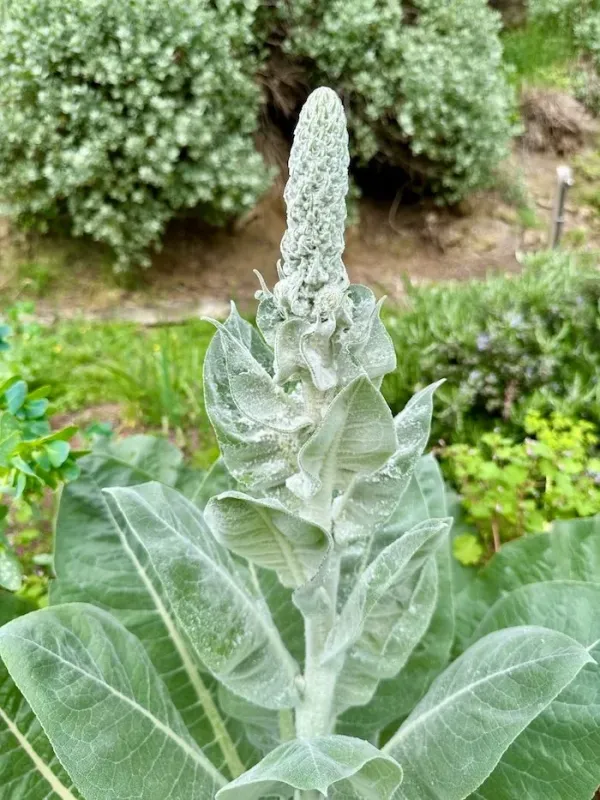
Description
Sowing dates
Mullein, scientifically known as Verbascum pycnostachyum, belongs to the Scrophulariaceae family and is recognized for its robust biennial growth cycle in various climates.
The seeds are exceptionally small, requiring a shallow sowing depth of approximately 0.5 to 1 centimeter to ensure proper germination and seedling establishment.
Planting is usually scheduled for late autumn or early spring, provided the soil temperature has stabilized at a level conducive to seed dormancy breaking.
During the first growing season, the plant focuses its energy on establishing a dense basal rosette of large, felt-like leaves rather than reproductive development.
Space the plants adequately, typically maintaining 45-60 centimeters between rows, to foster healthy airflow and prevent the development of moisture-related diseases.
Growing requirements
This species thrives in open, sunny locations, as it possesses a high phototropic demand necessary for the synthesis of bioactive compounds within its floral parts.
Well-drained sandy or loamy soils are ideal, as the plant is highly susceptible to root damage caused by stagnant water or excessively waterlogged conditions.
Mullein exhibits significant drought tolerance, attributed to its characteristic dense trichomes (fine hairs) covering the leaves, which minimize transpirational water loss.
The ideal soil pH for this culture is neutral to slightly alkaline, which supports the healthy uptake of essential mineral nutrients throughout its biennial cycle.
Maintenance involves routine weeding, especially during the early rosette stage, as young plants are poor competitors against invasive weeds and vigorous grass species.
Main diseases and pests
Powdery mildew represents a primary fungal threat, particularly in humid or stagnant air environments, necessitating proper plant spacing for better ventilation.
Leaf-eating insects can cause significant damage to the basal rosette, potentially weakening the plant before it reaches the critical flowering stage in its second year.
Implementing a strict crop rotation schedule is essential, preventing the cultivation of Mullein on the same site for at least four to five years to avoid soil-borne pathogens.
Integrated pest management strategies should focus on biological control methods, avoiding the application of heavy chemical pesticides during the flowering window.
Regular monitoring for pest outbreaks and the removal of infected plant residues at the end of the season are fundamental to maintaining a healthy crop profile.
Harvesting
Harvesting should be timed precisely during the peak flowering phase, when the concentration of medicinal constituents such as mucilage and saponins is at its maximum.
The petals must be hand-picked in dry, sunny weather after any morning dew has evaporated to ensure the highest quality of the harvested botanical material.
Immediate processing is crucial because the harvested flowers are delicate and prone to oxidation, which causes rapid darkening and loss of potency.
Drying is conducted in specialized climate-controlled facilities at temperatures between 40 and 50 degrees Celsius to facilitate efficient moisture removal without heat degradation.
Final storage requires airtight, light-protected containers to preserve the vibrant yellow color and chemical integrity of the dried product until it reaches the end user.