
Limosella
Limosella
Limosella, commonly known as mudwort, is a genus of small, aquatic or semi-aquatic plants belonging to the Scrophulariaceae family. These plants are typically annuals that have adapted to specialized, moisture-rich environments across various parts of the globe.
What the section contains


Limosella
The distribution of Limosella is cosmopolitan, spanning across both hemispheres. They are frequently found in wet, muddy habitats, such as the shores of ponds, streams, and seasonally flooded areas where the water table remains high throughout the growth cycle.
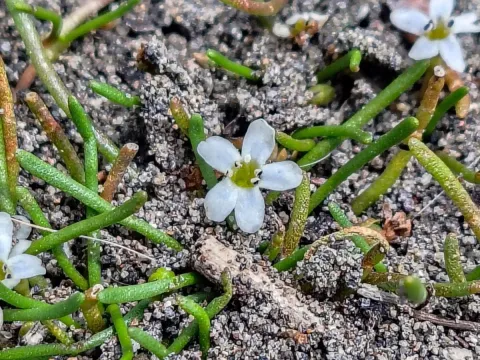
Botanically, Limosella is characterized by a compact rosette of leaves which are often linear or spatulate in shape. The flowers are generally very small, solitary, and white or pinkish, designed to be inconspicuous yet efficient for reproduction in marshy conditions.
Climate requirements for this genus are focused on constant moisture availability. While the plants are hardy to temperature fluctuations, they are highly sensitive to drought; therefore, a consistent water supply is essential for their survival and reproductive success.
Soil conditions play a pivotal role in the health of Limosella. They thrive in silty, nutrient-rich soils that retain moisture well. The presence of organic matter in the substrate provides the necessary nutrients for the plants, as their roots are relatively shallow and delicate.
The primary threats to Limosella populations involve the alteration of wetland habitats, including drainage projects and the stabilization of water levels in reservoirs. Such environmental changes disrupt the seasonal flooding patterns that these plants rely on for growth.
Fungal diseases are a significant risk, particularly when stagnant water conditions are coupled with inadequate air circulation. These conditions can promote the growth of pathogens that cause rot in the root systems and the base of the leaf rosettes of the plants.
Pests that inhabit wetland ecosystems, including various types of snails and aquatic insect larvae, can feed on the foliage of Limosella. While these pests rarely pose a threat of total crop failure, they can damage the plant's aesthetic and vitality in specialized settings.
Invasive species present a major challenge to the survival of Limosella. Fast-growing, competitive aquatic vegetation can quickly overgrow the small, slow-moving Limosella, blocking essential sunlight and limiting their access to necessary resources in the soil.
Maintenance for Limosella involves careful management of the water environment. By ensuring appropriate water depth and preventing the excessive buildup of competing algae or invasive weeds, the overall health and vigor of the plants can be effectively managed and protected.