
Long-beaked mullein
Verbascum longirostris
Description
Growing requirements
The long-beaked mullein (Verbascum longirostris) is a member of the Scrophulariaceae family. This herbaceous species is characterized by a strong taproot, which allows the plant to access deep water reservoirs in dry soil conditions.
The native range of this plant includes mountain and foothill regions in Central Asia. It thrives in open, sunny locations with well-draining, rocky, or sandy substrates, demonstrating remarkable tolerance to temperature fluctuations.
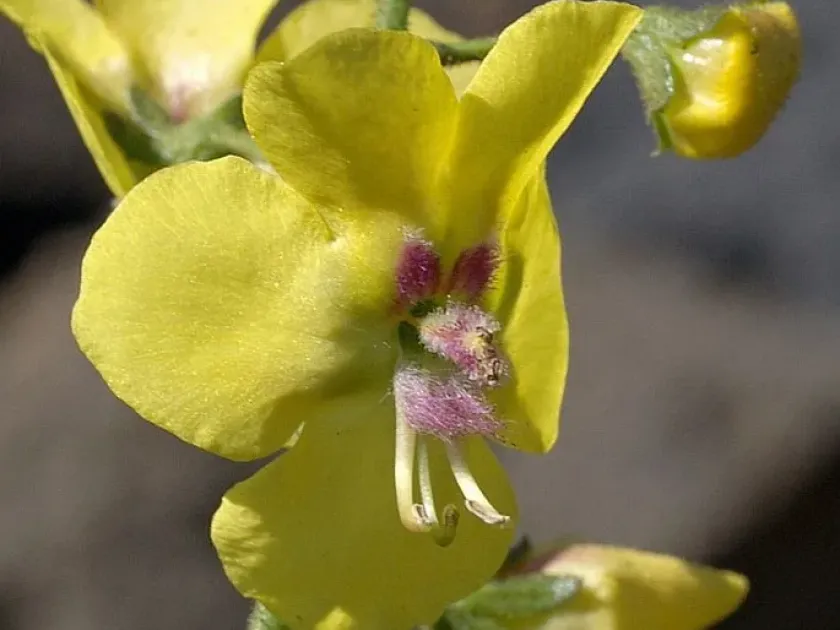
The botanical features include densely pubescent leaves forming a basal rosette and tall, erect stems topped with yellow flowers. The specific name refers to the elongated style of the pistil, which is a diagnostic trait of this species.
Agricultural requirements focus on soil aeration and dry conditions. The plant performs poorly in compacted or waterlogged soils, which is why sites with excellent drainage are crucial for successful cultivation and plant health.
Economic importance stems from the chemical composition of the plant, which includes saponins and flavonoids. It is traditionally studied for potential pharmaceutical applications and is occasionally utilized in ornamental xeric landscaping.
Main diseases and pests
The primary threats include fungal pathogens such as powdery mildew, which can spread rapidly in humid or poorly ventilated conditions. Managing airflow is the most effective cultural practice to mitigate these risks.
Pests that commonly affect this species include various leaf-eating beetles and weevils. Implementing integrated pest management, such as weeding and avoiding excessive nitrogen, helps maintain a robust population of the plants.