
Lowe's Figwort
Scrophularia lowei
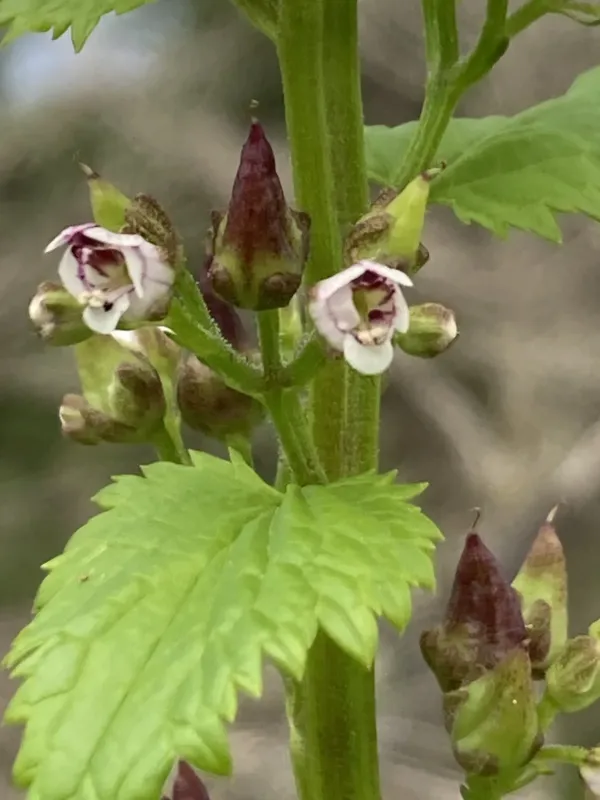
Description
Sowing dates
Lowe's Figwort (Scrophularia lowei) is a member of the Scrophulariaceae family, known for its unique botanical profile. Propagation is primarily achieved through seeds, which require specific preparation to ensure viability and successful germination in a controlled environment.
For best results, seeds should be sown in early spring. If starting indoors, use a well-draining seed-starting mix and maintain a consistent temperature to encourage steady growth of seedlings before moving them to their permanent location.
Direct sowing in the garden is possible once the risk of frost has passed and the soil has warmed. Ensure the seeds are surface-sown or covered with only a thin layer of substrate, as they often require light to germinate effectively.
Vegetative propagation via root division is another viable method for established clumps. This is best performed in the autumn season, allowing the plant to re-establish its root system during the dormant period before spring growth begins.
Regular monitoring of soil moisture after sowing is critical, as seedlings are highly susceptible to desiccation. Maintaining a light, damp surface ensures that the young plants can develop a strong initial root system.
Growing requirements
This species thrives in temperate climates with moderate rainfall and well-drained soils. It prefers locations that offer partial shade, particularly shielding the plant from the intense heat of the midday sun during the summer months.
Soil quality is paramount; Scrophularia lowei prefers nutrient-rich, loamy soils with a neutral pH. Incorporating organic matter, such as leaf mold or well-rotted compost, into the planting site improves structure and water retention.
Watering requirements are moderate but should be consistent. The plant does not tolerate standing water or heavy, compacted soil, which can lead to root degradation; therefore, ensuring proper drainage at the planting site is essential.
Regarding climate, the plant exhibits a preference for cool, humid environments. In warmer regions, additional measures like mulching are necessary to keep the soil temperature down and maintain a stable moisture level throughout the growing season.
Adequate space is required to ensure good air circulation around the foliage. Crowding the plants can lead to higher humidity levels within the foliage canopy, which may trigger health issues and reduce the plant's overall vigor.
Main diseases and pests
Root rot is the most significant threat to Lowe's Figwort, typically arising from over-irrigation or poorly draining soil conditions. This fungal issue can compromise the plant's vascular system if not managed immediately.
Pests, particularly aphids, are known to colonize the soft, new growth of the plant. These insects sap the plant's energy and can transmit viral infections, necessitating regular inspection and timely intervention with appropriate control measures.
Powdery mildew can become a nuisance during periods of high humidity and poor airflow. Managing the density of the planting and ensuring the foliage remains dry during irrigation can help mitigate this common aesthetic and health threat.
Leaf-eating insects can cause mechanical damage that degrades the plant's appearance. While often manageable, severe infestations should be addressed to prevent defoliation and further stress to the plant.
Maintaining a clean garden environment by removing dead foliage and debris reduces the habitat for potential pests and pathogens. This proactive sanitation approach is vital for the long-term health of the culture.