
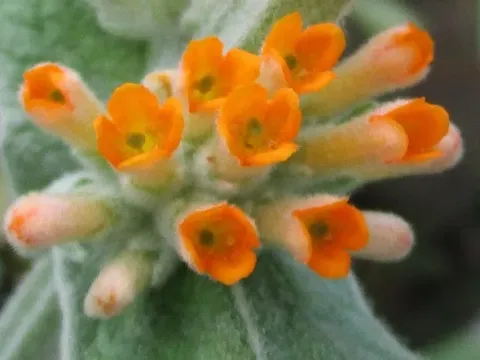
Winged buddleja
Buddleja alata
Buddleja alata, commonly known as winged buddleja, is a perennial shrub belonging to the Scrophulariaceae family. It is native to the mountainous regions of China, typically thriving on rocky slopes and forest borders.
What the section contains
Winged buddleja
The plant is botanically distinguished by the prominent winged appendages along its stems, which gives the species its specific name. It is an upright shrub that can grow up to 2 meters in height, featuring opposite leaves and dense clusters of small, tubular flowers.
This crop requires full sun exposure for optimal development. To ensure healthy growth and profuse flowering, it should be planted in open, warm areas that are protected from harsh winds, which can damage the stems during the dormant season.
The soil must be fertile, loose, and possess excellent drainage capabilities. Buddleja does not tolerate waterlogging, so in heavy soil conditions, it is necessary to incorporate organic matter or coarse sand to prevent root rot.
Regarding climate, the plant thrives in temperate conditions with an ideal growing temperature between +18°C and +25°C. Regular irrigation is essential during dry spells to maintain soil moisture without creating water-saturated conditions.
The primary pests affecting Buddleja alata are spider mites and whiteflies, especially during hot and dry spells. Integrated pest management using systemic insecticides or specific acaricides is recommended to keep populations under control.
Root rot is the most significant fungal threat, usually caused by overwatering or poor drainage. Proper soil management and ensuring the plant is not sitting in standing water are the most effective preventive measures against soil-borne pathogens.
Powdery mildew can occur if there is insufficient air circulation around the plant, often leading to reduced aesthetic quality. Regular thinning and pruning of the foliage are crucial to improve airflow and reduce humidity levels within the shrub canopy.
Disease prevention also relies on nutrient management. Avoiding excessive nitrogen application helps keep the plant tissues strong and less attractive to sap-sucking insects that can act as vectors for secondary infections.
Sanitation practices, such as disinfecting pruning tools between plants, are vital to prevent the spread of diseases. Monitoring for early signs of chlorosis or wilting is part of daily agronomic practice to ensure the longevity of the planting.