
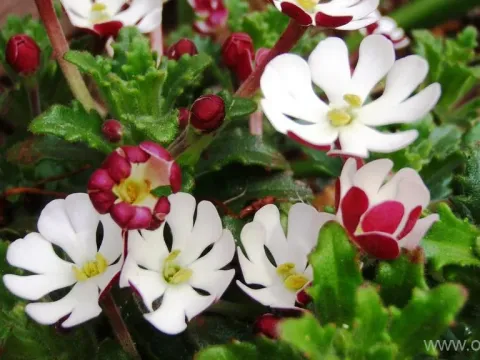
Zaluzianskya
Zaluzianskya
Zaluzianskya, commonly referred to as night phlox, is typically propagated by seeds. In regions with mild climates, seeds can be sown directly into the garden in early spring once the soil has warmed up.
What the section contains


Zaluzianskya
For gardeners looking to get a head start, indoor sowing is recommended. Seeds should be started in seed trays during late winter or early spring in a well-lit environment.
The seeds are minute and should be surface-sown on a light, sandy substrate. Press them gently into the soil but do not bury them deeply, as they require light to germinate effectively.
Consistency is key during germination; maintain a steady moisture level and a temperature range between 18 and 20 degrees Celsius for optimal results.
Thinning or transplanting seedlings is essential when they develop true leaves to ensure each plant has enough space to grow properly without crowding.
This genus belongs to the Scrophulariaceae family and originates from Southern Africa. It is highly valued for its fragrant flowers that open at night and close during the day.
Zaluzianskya thrives in full sun exposure. It is a heat-loving plant that requires a warm, sheltered spot to produce an abundance of its characteristic nocturnal blossoms.
The ideal soil for this crop is light, sandy, and extremely well-draining. Any soil that tends to hold water for too long will likely lead to root rot and plant loss.
Watering should be managed with care; keep the soil slightly moist during active growth but ensure that the drainage is efficient enough to prevent any waterlogged conditions.
While the plant is not overly demanding regarding fertility, a light application of a balanced fertilizer during the growing season can help maintain its vigorous habit.
Root rot is the most significant threat to Zaluzianskya, primarily caused by excessive soil moisture or poor drainage conditions. Preventing water accumulation is crucial.
Aphids are common pests that tend to congregate on the tender stems and flower buds, weakening the plant by sucking the sap during the growing season.
Spider mites may become an issue during prolonged hot and dry spells. Regular inspection of the underside of the leaves can help detect their presence early.
Slugs and snails are known to target young seedlings. Using protective barriers or traps can significantly reduce the potential damage to the developing foliage.
To combat disease and pest issues, maintain good garden hygiene by removing debris and ensuring adequate spacing between plants to allow for proper air circulation.