
Wavy-leaved mullein
Verbascum undulatum
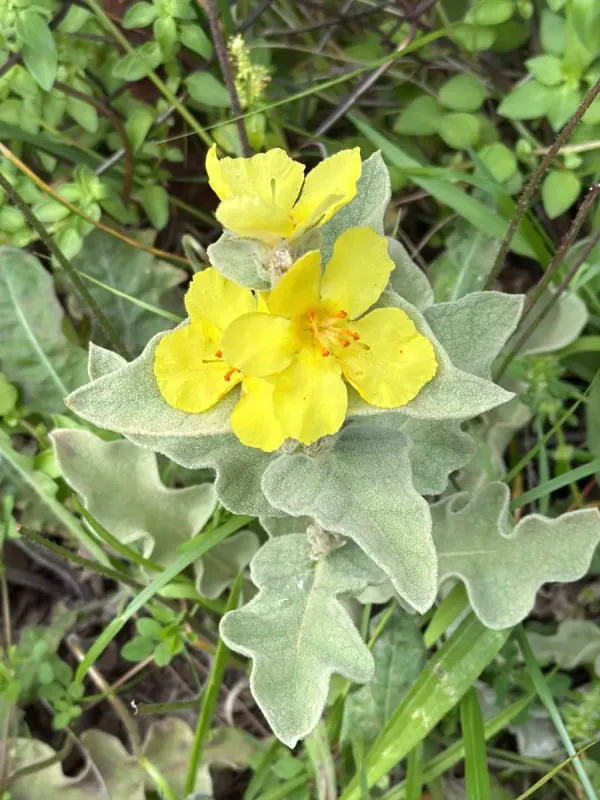
Description
Sowing dates
Sowing Wavy-leaved mullein is typically done before winter or in early spring into well-prepared soil. The seeds of the plant are very small, so it is recommended to sow them superficially, lightly covering them with sand or light soil to ensure access to the light necessary for germination.
Seedlings appear 2–3 weeks after sowing, provided there is sufficient moisture. When growing using the seedling method, seeds are sown in trays in March and transplanted into the open ground at the stage of two or three true leaves, maintaining distance between plants for proper rosette development.
Wavy-leaved mullein is a biennial plant, so in the first year, it forms a powerful basal rosette of leaves, and in the second year, it produces a high flower stalk. The intensity of growth directly depends on the sowing dates and the provision of initial mineral nutrition.
For optimal development, crops need to be thinned out, as overcrowding leads to rosette deformation and a decrease in the quality of the medicinal raw material. The recommended planting density is about 4–6 plants per square meter.
After the appearance of the first seedlings, it is important to ensure regular cultivation of the inter-rows to prevent the formation of a soil crust. This stimulates root system development and accelerates the accumulation of vegetative mass in the first year of the crop's life.
Growing requirements
Wavy-leaved mullein belongs to the Scrophulariaceae family and prefers well-drained, sandy, or loamy soils with a neutral or slightly alkaline pH. The plant is extremely sensitive to waterlogging, so areas with high groundwater levels are not suitable for it.
The culture is light-loving, so for high-quality raw materials, it is necessary to choose open, sunny areas. In the shade, the plant stretches significantly, and the concentration of biologically active substances in leaves and flowers decreases.
Climatic requirements are characterized by high drought resistance; however, during the active growth phase of the rosettes, the plant requires moderate watering. It adapts perfectly to Mediterranean climate conditions, which is its natural distribution range.
Soils must be cleared of perennial weeds before sowing, as mullein grows slowly during the initial development stages and can be suppressed by more aggressive grasses. Applying phosphorus-potassium fertilizers at early stages helps increase winter hardiness.
The presence of calcium in the soil complex is of particular importance, as the plant actively accumulates mineral elements necessary for the formation of dense flower stalks. Following crop rotation allows avoiding the accumulation of pathogens in the soil.
Yield
The yield of Wavy-leaved mullein raw material depends on growing conditions and the accuracy of harvesting. In industrial scales, the main harvest is conducted in the second year of life, when the concentration of flavonoids, saponins, and iridoids reaches its maximum.
Leaves are collected throughout the entire growing season, and flowers are gathered during the period of active blooming. To maintain the quality of the raw material, it is important to harvest in dry, sunny weather after the dew has evaporated, which guarantees rapid drying without loss of color and beneficial properties.
The average yield of dried flowers per hectare ranges from 300 to 600 kilograms. When collecting medicinal raw materials, it is important to consider that mullein flowers require careful handling, as they easily shed upon mechanical impact.
Drying is carried out in shady, well-ventilated areas or special dryers at a temperature not exceeding 40-45 degrees Celsius. This allows avoiding the darkening of the corollas and the destruction of heat-sensitive components.
The final cultivation efficiency is evaluated by the yield of clean, well-dried raw material that meets pharmacopeial requirements. Regular culling of sick and damaged specimens in the field allows increasing the market value of the finished products.
Main diseases and pests
The main pests of Wavy-leaved mullein are various types of leaf beetles and caterpillars of certain butterflies, which can damage leaf blades, reducing the market appearance of the raw material. Timely treatment with biological products is used to combat them.
Among diseases, fungal infections such as powdery mildew and various types of leaf spots are the most dangerous, occurring with poor humidity control and inadequate ventilation of crops. It is important to maintain spatial isolation and cleanliness in the area.
Root rots can occur with improper watering on heavy, poorly drained soils. Prevention consists of improving the drainage properties of the soil and maintaining a moderate moisture regime, which prevents water stagnation in the root zone.
The presence of aphids on flower stalks can lead to bud deformation and reduced harvest quality. An integrated plant protection system involves monitoring pests during the budding period and using gentle control methods.
To prevent the spread of infections, it is necessary to remove and destroy plant residues after harvesting. This reduces the infection background in the field and prevents pathogen spores from overwintering in the soil.
Harvesting
Harvesting Wavy-leaved mullein is carried out manually, due to the extended flowering period of each individual plant. Flowers do not bloom simultaneously, so harvesting is performed selectively as they open over several weeks.
The harvesting technology for leaves involves cutting them with petioles during the first year of vegetation, without damaging the central rosette. Leaves must be healthy, without signs of disease or pest damage.
When collecting flowers, baskets or paper bags are used to avoid excessive pressing and heating of the raw material, which can lead to its rapid spoilage. Timely delivery of the collected material to the drying site is a critical factor.
Final harvesting is conducted at the end of summer when the main flower stalks complete the flowering phase. It is important to avoid over-ripening, as after the formation of fruit capsules, the value of the plant raw material decreases sharply.
Storage of finished dry raw material is carried out in airtight containers, in dry and cool rooms, protected from direct sunlight. Under all conditions, the shelf life reaches 2-3 years without significant loss of biological activity.