
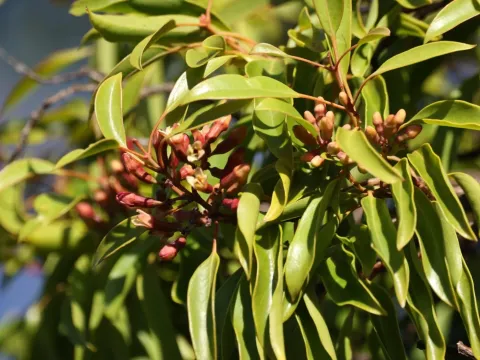
Eucarya
Eucarya
Eucarya, currently recognized within the Santalum genus, belongs to the Santalaceae family. As a root semi-parasite, it possesses specialized structures called haustoria, which penetrate the roots of host plants to extract water and nutrients.
What the section contains
Eucarya
The plant thrives in arid and semi-arid climates, displaying remarkable resilience to extreme heat and prolonged droughts. Its metabolism is specifically geared towards survival in environments where resource availability is highly seasonal.
Soil requirements are centered on excellent drainage and aeration. Eucarya prefers sandy or rocky substrates that prevent water stagnation, which is essential to maintain the health of its sensitive root system.
Successful cultivation requires selecting appropriate host species that can support the growth of Eucarya without competing too aggressively for light. This symbiotic management is the core of successful plantation establishment.
Economically, the species is highly valued for its heartwood, which contains aromatic essential oils. These oils are a staple in high-end perfumery, traditional medicine, and specialized woodcrafts.
Root rot represents the primary physiological threat to the species, particularly in cases of over-irrigation. Maintaining a dry root zone is paramount for long-term health and disease prevention.
Herbivory is a significant challenge in commercial plantations, as young trees are frequently targeted by mammals. Protective fencing and mechanical barriers are standard practice to ensure survival during the early growth years.
Insects, particularly leaf-chewing larvae, can affect the photosynthetic capacity of the tree. While mature trees are quite resilient, heavy infestations in younger plantations can significantly stunt growth.
The decline of host plants serves as a major threat to Eucarya survival. A healthy plantation must maintain a balanced ratio between the crop and the supporting host vegetation to prevent malnutrition.
Fungal infections may enter through wounds caused by mechanical damage or improper pruning. Regular sanitary inspections and the use of clean, sharp tools are required to maintain the structural integrity of the crop.