
Santalum ellipticum
Santalum ellipticum
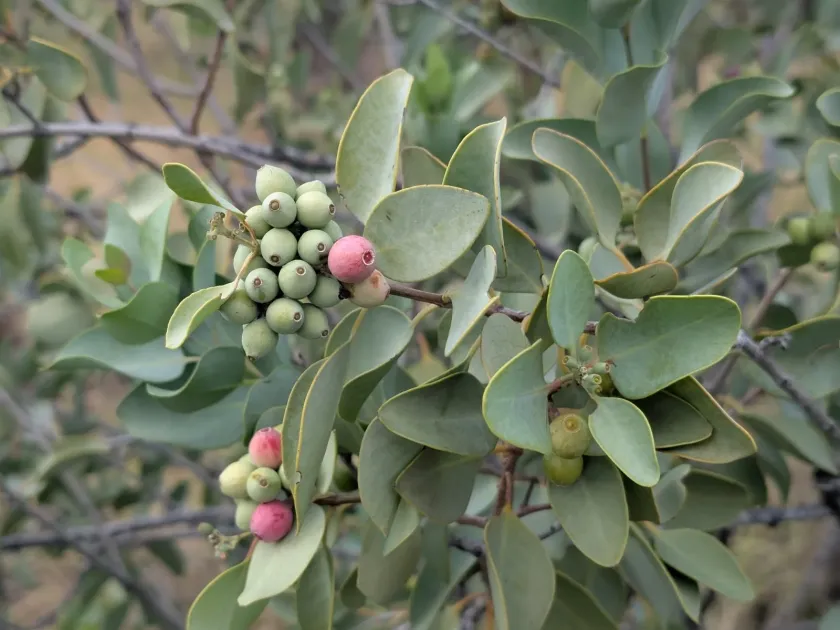
Description
Growing requirements
Santalum ellipticum, commonly known as the coastal sandalwood or "iliahi", is a rare species within the Santalaceae family. It is a slow-growing tree or shrub that exhibits hemiparasitic behavior, requiring a host plant to thrive in its natural environment.
The species is native to the Hawaiian Islands, typically inhabiting dry forests, lava fields, and open coastal zones. It is highly drought-tolerant and thrives in poor, well-draining soils where other common crops struggle to survive.
Cultivation of Santalum ellipticum requires the strategic planting of a host species, such as Dodonaea viscosa. The sandalwood roots form haustoria to attach to the host's roots, extracting minerals and water essential for healthy development.
Full sun exposure is vital for the optimal production of essential oils within the wood. The plant requires a consistent tropical climate with minimal seasonal temperature fluctuations to avoid stress or growth suppression.
Agricultural management includes regular pruning of the host tree to ensure the sandalwood gets enough light. Proper irrigation design is required to keep the soil moist but never saturated, as the species is highly sensitive to waterlogged conditions.
Harvesting
The harvesting process for sandalwood is a long-term investment. Mature trees are typically harvested for their heartwood, which contains the highly prized essential oils used in the perfume and pharmaceutical industries.
Economic maturity is usually achieved after several decades, making this a long-cycle forestry crop. Sustainable management practices dictate that only mature trees should be removed, ensuring the ongoing viability of the plantation.
Heartwood quality depends on the age of the tree and the specific environmental conditions of the site. Expert harvesters examine the concentration of fragrant oil in the core before initiating the felling process.
Traditional harvesting methods involve carefully extracting the roots as well, as they often contain significant concentrations of oil. After harvest, the timber undergoes a slow drying process to prevent cracking and maintain the intensity of the aroma.
Post-harvest management includes immediate replanting of the area with new host-sandalwood pairs. This maintains the ecological balance and ensures future yields from the same forest area.