
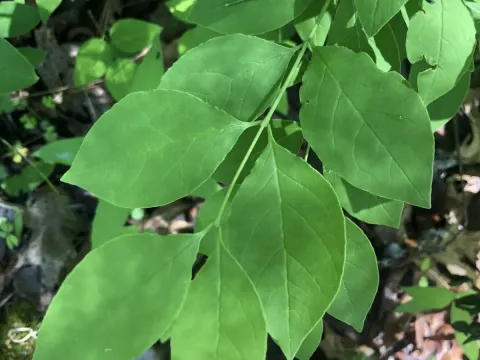
Nestronia
Nestronia
Nestronia is a genus of plants within the Santalaceae family, represented primarily by the species Nestronia umbellula. Botanically, it is recognized as a root hemiparasite that requires specific host plants to survive.
What the section contains

Nestronia
The native distribution of this genus is concentrated in the southeastern United States. It flourishes in deciduous forests, preferring acidic, well-drained soils that offer a consistent level of moisture and shade.
The survival of Nestronia is inherently linked to its ability to form haustorial connections with the roots of host woody species. Through these structures, it absorbs water and nutrients, which is essential for its lifecycle.
Climate requirements include temperate to subtropical conditions. The plant is sensitive to significant changes in forest composition and is not suited for traditional agricultural field cultivation.
Given its specialized biological nature, Nestronia does not fit into modern commercial farming practices. Its management is focused purely on conservation biology rather than cultivation or crop production.
The primary threat to Nestronia populations is habitat destruction resulting from land development and forestry practices. Losing host trees inevitably leads to the decline of the parasitic Nestronia.
Competition from non-native or invasive species significantly impairs the ability of Nestronia to secure necessary space and host roots. This displacement often leads to the fragmentation of existing colonies.
While specific plant diseases or pathogens attacking the species are not extensively documented in agricultural databases, ecological disturbance remains the most significant risk factor.
The species exhibits a low reproduction rate in the wild, which makes recovery from localized extinction events extremely difficult. Seed dispersal relies on specific environmental triggers often found in undisturbed soil.
Conservation efforts are vital to prevent the loss of this rare species. Protecting mature forest stands where Nestronia is present is the only viable method to ensure its long-term viability in the wild.