
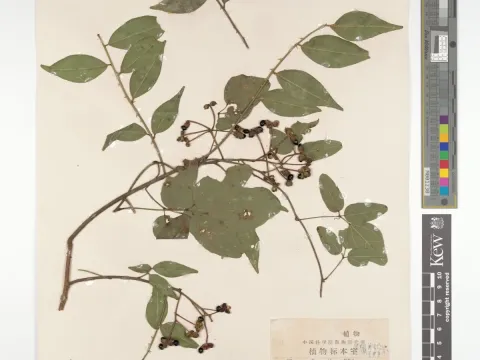
Zanthoxylum stenophyllum
Zanthoxylum stenophyllum
Propagation of Zanthoxylum stenophyllum is primarily achieved through seeds or stem cuttings. Seeds require a period of cold stratification to break dormancy and ensure high germination rates after sowing.
What the section contains
Zanthoxylum stenophyllum
Sowing should be performed in a controlled environment or greenhouse during early spring. Maintaining soil temperatures between 20–22 degrees Celsius is essential for uniform seedling emergence.
Cuttings are usually taken in summer, utilizing semi-hardwood shoots. The application of high-quality rooting hormones is recommended to increase the survival rate of the new clones.
Transplanting into the open field should occur only after the danger of late spring frost has completely passed. The plant's root system is sensitive to physical trauma, necessitating careful handling during the planting process.
Optimal planting density depends on the specific cultivation goals. For industrial plots, maintaining adequate spacing between rows is crucial to facilitate proper sunlight penetration and mechanized maintenance.
Zanthoxylum stenophyllum is a member of the Rutaceae family, naturally occurring in the mountainous regions of East Asia. The crop prefers well-drained, fertile soils with a neutral or slightly acidic pH level.
This species is highly photophilous and requires full sun exposure to thrive and produce high-quality aromatic oils. Reduced light levels will negatively impact the plant's growth and overall spice profile.
Regarding climate, the plant thrives in moderate conditions but can tolerate short cold spells. In colder climates, young specimens should be provided with adequate winter protection to prevent tissue damage.
Watering must be balanced and regular, as the plant is susceptible to root rot if subjected to waterlogged soil. A well-designed drainage system is a mandatory prerequisite for successful cultivation.
Fertilization strategies involve applying nitrogen-rich fertilizers during the active growth phase and shifting to phosphorus-potassium complexes later in the season to prepare the plant for winter.
The primary threats to Zanthoxylum stenophyllum include fungal infections such as root rot, which are often exacerbated by poor soil drainage. Prevention focuses on maintaining optimal moisture levels and ensuring aeration.
Pests, particularly aphids and spider mites, are common nuisances that target young leaves and tender stems. Regular field scouting is essential to identify infestations before they become unmanageable.
Integrated pest management strategies should be employed, prioritizing biological controls or insecticides registered for use on spice crops. Crop rotation and sanitation practices help keep the field free of pathogens.
Removing weeds from the base of the plant is necessary to reduce competition for nutrients and water. Clean gardening practices significantly minimize the risk of pest habitat formation.
Proactive monitoring allows for early detection of stress factors. If leaf discoloration or signs of decay appear, a thorough review of the irrigation and nutrient supply schedule should be performed.
Zanthoxylum stenophyllum is valued for its aromatic fruits and foliage, which are harvested for culinary purposes. Harvesting is performed in stages, focusing on the fruit's technical maturity phase.
Manual harvesting is common, often requiring protective equipment due to the presence of sharp spines on the branches. Care should be taken to preserve the integrity of the plant during collection.
After collection, the produce should be dried in shaded, well-ventilated areas. Controlled drying processes are essential to lock in the volatile compounds that define the plant's unique organoleptic properties.
Foliage can be harvested throughout the growing season for fresh use or long-term preservation methods like freezing. This versatility adds significant value to the crop for commercial growers.
Storing the final product in airtight containers, away from light and heat, ensures long-term retention of flavor. Proper harvest timing remains the most critical factor in achieving high-quality yields.