
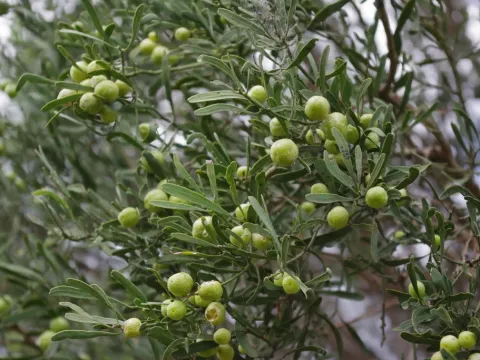
Australian desert lime
Citrus glauca
The Australian desert lime (Citrus glauca) is a unique plant belonging to the Rutaceae family. It is an evergreen shrub or small tree that has adapted to the harsh conditions of arid regions in Australia over millennia of evolution.
What the section contains
Australian desert lime
The species is highly xerophytic, allowing it to survive during extended periods of drought. In its natural habitat, it is found in the inland regions of Queensland and New South Wales, often growing in woodlands and on the fringes of arid zones.
This crop prefers well-drained loamy or sandy soils with a neutral to slightly alkaline pH level. It is crucial to avoid waterlogging in the root zone, as this quickly leads to the development of root rots and the potential death of the plant.
For optimal growth, the citrus requires abundant sunlight and protection from strong, cold winds. In temperate climates, it is often grown as a container plant in greenhouses, as the species is sensitive to prolonged frost conditions.
Care involves moderate watering during the active growth season and periodic fertilization with specialized citrus nutrients. Pruning helps shape the crown and stimulates flowering, which occurs when environmental conditions become favorable.
The culinary use of desert lime fruits is diverse due to their intense aroma and distinct flavor profile. The fruits are widely used in cooking for sauces, marinades, beverages, and desserts, and are highly valued in modern gastronomic practices.
The fruits contain a unique complex of vitamins, antioxidants, and organic acids. They are often called "lime caviar" because of the specific texture of their vesicles, which add aesthetic appeal and a burst of flavor to various culinary preparations.
Breeders use Citrus glauca to develop hybrids with increased resistance to diseases and frost. This plant is considered a vital genetic reservoir for commercial citrus farming, enabling improvements in the quality of related fruit varieties.
Yields from wild populations can be inconsistent; however, with proper management and regular irrigation in a cultivated setting, stable fruiting can be achieved. In commercial orchards, harvest is primarily done by hand due to the small fruit size.
The production is utilized not only in the food industry but also in cosmetics, where lime extracts are used in skincare products due to their refreshing and toning properties.
Like many members of the Rutaceae family, the Australian desert lime is susceptible to infestations of citrus whitefly and various aphid species. Regular leaf inspections and the use of mild insecticides are recommended to manage these pests.
Phytophthora root rot is the most dangerous disease, typically occurring during periods of systematic soil overwatering. Disease prevention is achieved by strictly adhering to a proper watering schedule and ensuring high-quality drainage.
The plant may also be attacked by citrus mites, which feed on the sap of young shoots. To prevent infestations, it is important to maintain good garden hygiene and timely remove dead branches that serve as breeding grounds for pests.
When grown in protected environments, fungal infections such as powdery mildew may occur due to poor air circulation. Regular ventilation of greenhouses and avoiding overcrowding are essential maintenance practices.
Adhering to quarantine measures when purchasing nursery stock helps prevent the introduction of viral infections, such as citrus tristeza virus, which poses a serious threat to all members of the genus.