
Atalantia
Atalantia
Propagation of Atalantia is typically achieved through seeds or stem cuttings. For seeds, fresh material should be sown in a high-quality, well-draining potting medium, keeping the temperature around 25 degrees Celsius to ensure consistent germination rates.
What the section contains


Atalantia
Cuttings are often preferred by growers to maintain genetic uniformity. Semi-hardwood cuttings taken in spring demonstrate the best success rate when treated with rooting hormones and kept in a high-humidity propagation chamber.
Young plants should be transplanted to their permanent locations or larger containers only after the threat of frost has passed. Ensuring a stable environment during the initial growth phase significantly boosts the survival rate of the saplings.
The preparation of the potting mix involves combining organic matter with perlite or sand to improve aeration. A neutral to slightly acidic pH is ideal for the robust development of the root system in this species.
Spacing during planting is crucial to avoid overcrowding, which can reduce air circulation and create microclimates favourable for pests. Growers should arrange plants based on their mature size to ensure maximum sunlight exposure for each individual.
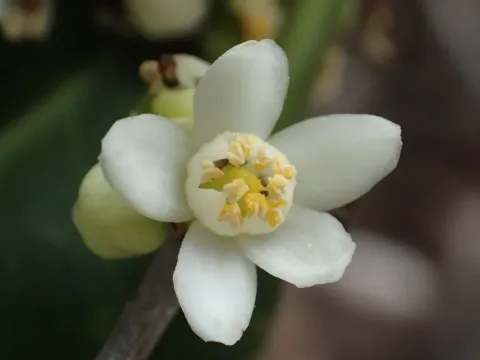
Atalantia is an evergreen shrub or small tree belonging to the Rutaceae family, sharing close botanical characteristics with citrus species. It is native to the tropical forests of Southeast Asia, thriving in humid environments.
These plants require bright, indirect light to maintain healthy foliage. Direct midday sun can potentially scorch the leaves, so providing filtered shade is often necessary, especially in regions with intense light conditions.
The soil should be fertile and well-drained. Atalantia is sensitive to waterlogged conditions; therefore, the irrigation schedule must be carefully monitored. Allow the top inch of soil to dry out slightly between watering sessions.
Botanically, the plant is known for its leathery, dark green leaves and small, fragrant white flowers. The thorns on the branches are a common feature, acting as a natural defence mechanism against herbivores in the wild.
Regular humidity management is essential, especially when grown indoors or in greenhouses. Misting the foliage or using a humidifier helps replicate the natural tropical climate, preventing leaf tip burn and promoting vigorous growth.
Common pests affecting Atalantia include scale insects, mealybugs, and spider mites. These sap-sucking insects can severely weaken the plant by extracting nutrients, leading to stunted growth and discoloured leaves.
Fungal pathogens such as root rot can occur if the soil remains constantly saturated. Proper drainage and balanced irrigation are the primary preventive measures against soil-borne infections in this cultivation system.
Leaf chlorosis, often caused by iron deficiency, is a frequent issue in container-grown plants. Correcting this with chelated micronutrient fertilizers helps restore the deep green pigmentation of the foliage.
Integrated pest management, including the use of neem oil or biological controls, is highly effective for maintaining plant health without relying on harsh chemicals. Monitoring the underside of leaves for early signs of infestations is recommended.
Sanitation practices, such as removing fallen leaves and pruning dead branches, are vital for disease control. By keeping the growing area clean and well-ventilated, growers significantly reduce the likelihood of pest outbreaks.