
Barosma
Barosma
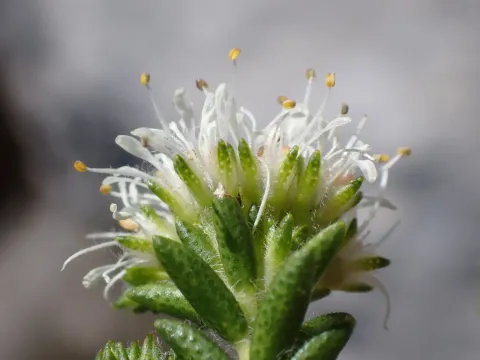
Barosma, commonly known as buchu, is an evergreen shrub belonging to the Rutaceae family. Native to the mountainous regions of South Africa, it thrives in well-drained, sandy, and stony soils that mimic its natural wild environment.
What the section contains
Barosma
The plant requires a temperate, moist climate with plenty of sunshine and protection from frost. It is highly sensitive to waterlogged conditions, making efficient drainage an essential requirement for any successful commercial cultivation operation.
Botanically, Barosma is characterized by glandular dots on its leaves that secrete essential oils with a distinct, pungent aroma. These oils are the primary reason for the plant's economic importance in the herbal medicine and fragrance industries.
Agronomic management involves maintaining slightly acidic to neutral soil pH levels. Regular fertilization with essential micronutrients is necessary to promote vigorous leaf development and ensure high yields of the target active compounds.
The primary use of the crop is the production of herbal teas and tinctures, valued for their diuretic and antiseptic properties. The leaf mass is carefully harvested to isolate diosphenol and flavonoids for pharmaceutical applications.
Root rot is the most significant disease threat to Barosma crops, often resulting from excessive moisture levels or poor irrigation management in the root zone.
Pests such as spider mites and various aphid species pose a constant threat by feeding on young foliage, which can significantly reduce the overall quality of the harvested crop.
Preventative measures include maintaining proper air circulation around the plants and applying fungicides at the first sign of fungal spore development on the leaves.
Environmental stress, particularly during high-humidity periods in non-native climates, can also lead to fungal proliferation on the plant stems and foliage.
A rigorous phytosanitary monitoring program is essential for protecting the plantation and ensuring the plant material meets international quality standards.
The harvesting of Barosma leaves typically occurs during the plant's peak flowering phase, when the concentration of volatile oils and medicinal compounds is highest.
Leaves are harvested by hand or using specialized cutters, ensuring that the main structural stems remain intact to allow for regrowth and multi-year production cycles.
Immediate post-harvest processing involves drying the leaves in shaded, well-ventilated areas to prevent the degradation of essential components sensitive to heat and direct sunlight.
Correct drying techniques are crucial for preserving the plant's potent aroma and therapeutic efficacy, which determines the final market value of the raw material.
The final product is cleaned, graded for quality, and stored in light-proof and moisture-proof containers to maintain its chemical profile during transport and storage.