
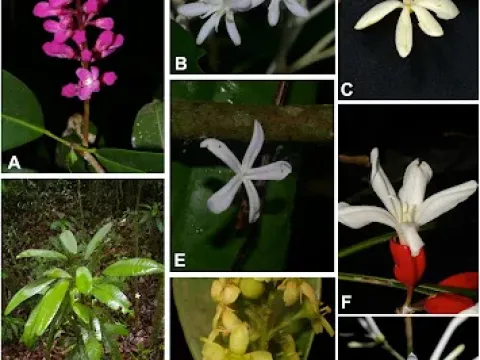
Almeidea
Almeidea
Almeidea is a genus of evergreen trees and shrubs that belongs to the extensive Rutaceae family. Native to the tropical rainforests of South America, particularly Brazil, these plants are highly valued in botanical collections for their unique structural features and taxonomic interest.
What the section contains

Almeidea
The cultivation of Almeidea is generally restricted to botanical gardens and specialized nurseries due to their specific climatic requirements. Propagation is primarily achieved through seeds or vegetative methods, such as cuttings, which require a high level of humidity and warmth.
Optimal timing for planting usually follows the end of the plant's dormant phase, mirroring the onset of the wet season in its native habitat. Using fresh, high-quality seeds is essential, as the viability of the genus decreases significantly over time.
Growth medium selection is critical for successful propagation. A well-draining, nutrient-rich substrate composed of peat, perlite, and organic matter ensures that the seedlings develop robust root systems while preventing the risk of damping-off diseases.
Seedlings require careful transition from the propagation tray to individual containers. Maintaining stable environmental parameters during this stage is vital to ensure the long-term health and structural development of the young Almeidea plants.
Almeidea thrives under specific conditions that mimic its natural tropical environment. It requires a stable climate with consistent temperatures ranging from 22 to 28 degrees Celsius, as the plant is sensitive to cold stress and freezing conditions.
Soil requirements include a preference for well-drained, acidic to neutral soil profiles. The presence of organic matter is necessary to maintain moisture levels without causing soil compaction, which could inhibit proper root respiration.
High relative humidity, ideally between 70% and 80%, is essential for the healthy growth of Almeidea. In greenhouse settings, supplemental misting or automated humidity control systems are often necessary to prevent leaf edge necrosis and desiccation.
Regarding light, the genus prefers bright, indirect light. Direct exposure to intense midday sun should be avoided as it can scorch the foliage. Implementing shaded areas in the greenhouse helps simulate the dappled light found under a forest canopy.
Nutrient management involves regular application of balanced fertilizers during the growing season. Micronutrient support is particularly important to prevent deficiencies, which manifest as chlorosis or stunted growth in many members of the Rutaceae family.
Almeidea is susceptible to several common greenhouse pests, with scale insects being the most prevalent. These pests feed on plant sap, significantly weakening the tree and promoting the growth of sooty mold on the leaves.
Spider mites are a constant threat, especially when ambient humidity levels drop below the required threshold. These tiny pests cause yellowing and spotting of the leaves, eventually leading to premature defoliation if left untreated.
Root rot, often caused by overwatering or poor drainage, remains the most severe threat to the long-term survival of Almeidea. Pathogens like Phytophthora thrive in waterlogged conditions and can destroy the root system rapidly.
Fungal diseases, including anthracnose, can affect the leaves and stems, resulting in necrotic lesions. Managing air circulation is the best preventative measure, as it reduces the stagnation of moisture on leaf surfaces where fungal spores settle.
Integrated pest management strategies are recommended, focusing on early detection and biological control methods. Keeping the environment clean and adhering to strict quarantine procedures for new plants will help maintain a healthy collection.