
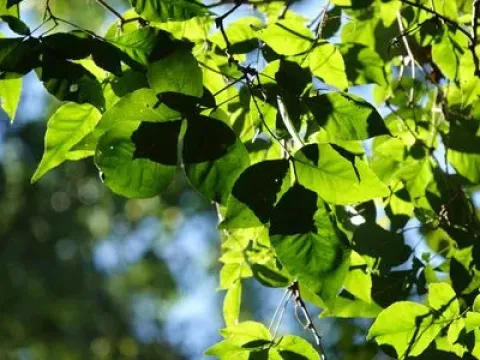
Bael
Aegle
Bael (Aegle marmelos), also known as the wood apple, is a member of the Rutaceae family. Native to India and Southeast Asia, this hardy, slow-growing tree is renowned for its ability to thrive in diverse environmental conditions. It is characterized by its trifoliate leaves, spines on the branches, and hard-shelled, aromatic fruits.
What the section contains

Bael
The tree is extremely drought-tolerant and can grow in various soil types, ranging from sandy loams to rocky soils, provided there is adequate depth for root development. However, it exhibits poor tolerance to waterlogging, necessitating well-draining soil for successful commercial cultivation.
In terms of climate, Bael prefers tropical and subtropical regions. It requires a distinct dry season to initiate flowering and fruit set. While the tree is resilient to high temperatures, it is sensitive to severe frost during its juvenile stages and needs protection in regions experiencing temperatures below freezing.
The agricultural importance of Bael is extensive. The fruit is highly regarded for its nutritional and medicinal values, being rich in vitamins, minerals, and phytochemicals. Beyond fresh consumption, it is widely used in beverages, jams, and traditional medicine to treat gastrointestinal disorders.
Cultivation practices involve proper spacing of trees, typically 8 to 10 meters apart, to ensure sufficient light penetration and air circulation. Regular pruning is recommended to remove dead wood and maintain a manageable canopy structure, which facilitates easier harvesting of the fruits.
Bael is relatively robust, but it can be susceptible to pests like scale insects and leaf-eating caterpillars, which require monitoring. Implementing integrated pest management strategies, including the use of biological controls, is often preferred in organic orchards.
Fungal pathogens such as leaf spot and fruit rot can occur, particularly in high-humidity climates. Maintaining orchard hygiene by removing infected fallen leaves and debris is crucial to preventing the spread of these diseases among the trees.