
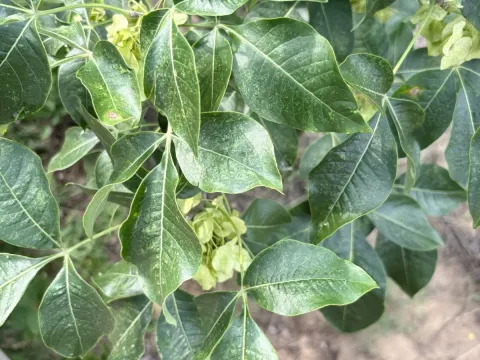
Baldwin's hoptree
Ptelea baldwinii
Baldwin's hoptree (Ptelea baldwinii) is a perennial shrub belonging to the Rutaceae family. It is recognized for its unique foliage and botanical traits that distinguish it from its close relatives within the genus.
What the section contains
Baldwin's hoptree
The plant requires well-drained, fertile soil to thrive. It performs best in loam or sandy loam substrates. Poor drainage is a significant limiting factor, as the roots are susceptible to rot if left in waterlogged soil for extended periods.
Optimal growth is achieved in full sun exposure. While the shrub can tolerate partial shade, insufficient light often results in a sparser canopy and reduced overall plant vigor throughout the growing season.
Agrotechnical maintenance includes regular monitoring of moisture levels. While mature specimens demonstrate moderate drought tolerance, establishing a consistent irrigation schedule during the first two years of planting is essential for healthy root development.
Pruning is recommended to maintain a desired shape and encourage structural integrity. It is best to perform maintenance pruning during the dormant season, typically in early spring before the buds begin to swell.
Ptelea baldwinii generally exhibits strong resistance to common pests and diseases, making it a relatively low-maintenance shrub when environmental conditions are properly managed.
The most common pests that might affect the plant include aphids, which often cluster on tender new growth. Early detection and the application of insecticidal soaps are usually sufficient to manage minor infestations.
Fungal issues, such as powdery mildew, may occur in environments with poor air circulation or excessive humidity. Ensuring proper spacing between plants is a primary preventive measure against such outbreaks.
Root rot is the most serious threat, typically resulting from improper site selection or over-irrigation. Proper soil preparation and ensuring adequate permeability are critical to preventing this issue.
It is advisable to monitor the plant for signs of stress, such as yellowing leaves or stunted growth, which can serve as early indicators of either nutrient deficiency or incipient pathogen activity.