
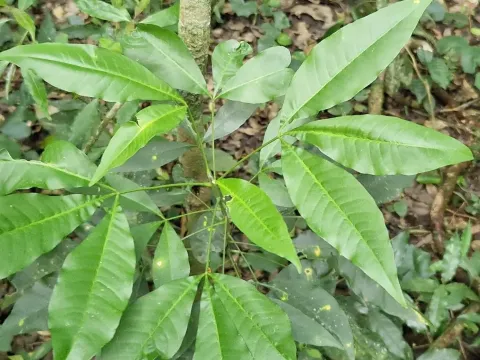
Balfourodendron
Balfourodendron
Balfourodendron is a genus of flowering plants in the family Rutaceae. Known primarily for the species Balfourodendron riedelianum, this tree is a significant timber source in South America. It typically grows as an evergreen tree characterized by a straight, robust bole suitable for high-quality wood production.
What the section contains

Balfourodendron
The native range of this species extends across Brazil, Argentina, and Paraguay. It thrives in humid subtropical and tropical forest biomes. Successful cultivation requires a climate that maintains high humidity and stable temperatures throughout the year to support active vegetative growth.
Soil requirements for Balfourodendron are specific: the tree demands fertile, well-drained loamy soils. Waterlogging is detrimental to its root system, often leading to fungal decay. Therefore, site selection should prioritize locations with excellent natural drainage and deep soil horizons.
The cultural cycle begins in nurseries where seedlings are shielded from extreme solar radiation. In field conditions, juvenile trees require moderate shade to establish effectively. As they mature, Balfourodendron specimens become increasingly heliophilic, requiring open canopy access for optimal timber development.
Agricultural management involves rigorous weed control during the establishment phase, as young plants compete poorly with aggressive grasses. Once the root system is established, the tree demonstrates resilience; however, consistent moisture during the growing season is essential for rapid biomass accumulation.
The primary economic use of Balfourodendron is the harvesting of its high-density timber, commonly marketed as Guatambu. The wood is highly valued for its fine, even texture and superior mechanical strength, making it ideal for precision carpentry and high-end joinery.
Applications for the timber include the production of fine furniture, tool handles, flooring, and decorative veneer. Its stability and resistance to deformation under stress ensure that products manufactured from this hardwood maintain their structural integrity over long periods.
Harvesting operations follow sustainable forestry guidelines, focusing on selective logging of mature trees. This approach minimizes the impact on the local ecosystem while ensuring the long-term viability of the plantation or forest stand, meeting international environmental standards.
Emerging research investigates the biochemical potential of the tree's non-timber parts. Extracts from the bark and foliage contain alkaloids and aromatic compounds that hold promise for pharmaceutical development, potentially adding a second stream of revenue to forestry operations.
Maintenance of mature stands is relatively low compared to annual crops, but producers must monitor for wood-boring insects. Protecting the cambium from physical damage is critical to preventing infection sites that could compromise the commercial value of the harvested logs.