
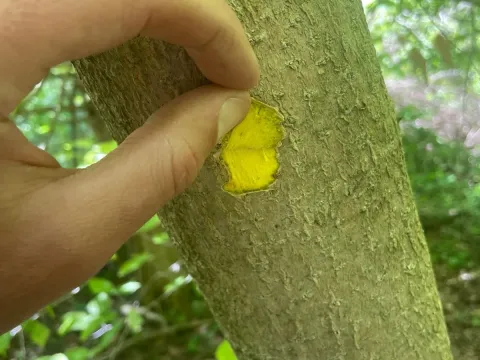
Amur cork tree
Phellodendron
The propagation of the Amur cork tree (Phellodendron) is most effectively achieved through fall sowing, which allows for natural cold stratification of the seeds during the winter months. This method mimics natural cycles and typically leads to high germination rates in the spring.
What the section contains

Amur cork tree
If sowing is planned for the spring, seeds must be stratified in moist sand at temperatures between 0 and 5 degrees Celsius for at least two to three months. Failure to stratify often results in prolonged dormancy, where seeds may not sprout until the following year.
Seeds should be sown at a depth of 2 to 3 centimeters in well-drained, fertile soil. Maintaining consistent soil moisture is crucial during the germination phase; however, growers must ensure that the site does not become waterlogged to prevent seed rot.
When grown in nurseries, seedlings should be spaced 30 to 40 centimeters apart to ensure adequate airflow and nutrient access. Young plants are sensitive to intense direct sunlight and benefit significantly from light shading during their first growing season.
Once the saplings reach two years of age, they are generally robust enough for transplantation to their permanent location. Planting is best performed in early spring before the buds break to minimize transplant shock.
The Phellodendron genus belongs to the Rutaceae family and consists of hardy deciduous trees known for their corky, spongy bark. These trees originate from East Asia, thriving in cool, temperate forest regions with moderate rainfall.
These trees demand fertile, deep, and well-drained loam soils. They are sensitive to heavy, compacted clay and stagnant water, which can quickly compromise the tree's health. Neutral to slightly acidic soil pH is ideal for optimal nutrient uptake.
Sunlight requirements are relatively high; the Amur cork tree is a heliophyte and performs best in open, sunny locations. While young trees can tolerate partial shade, full exposure is necessary for the development of the characteristic thick cork layer.
The climate should provide a distinct winter dormancy period, as the tree is well-adapted to frost. Adequate water supply during the first few years of establishment is essential, though mature specimens develop deep root systems that tolerate moderate dry spells.
Space management is a critical factor in plantation planning. To ensure the trees develop healthy, symmetrical crowns and thick bark, they should be planted with sufficient spacing, allowing for proper circulation and penetration of sunlight to the lower branches.
The primary economic value of the Amur cork tree lies in its unique, elastic cork bark. This material is highly prized for its thermal insulation and water-resistant properties, serving as a sustainable alternative to traditional Mediterranean cork.
The timber of the tree is equally valued in the woodworking industry. It possesses a beautiful grain and natural resistance to decay, making it an excellent choice for high-quality furniture, interior paneling, and various interior design applications.
Medicinal applications are significant, as the bark contains alkaloids like berberine, which are extracted for use in supplements and pharmaceuticals. These compounds are studied for their anti-inflammatory and antimicrobial efficacy.
As a notable honey plant, Phellodendron plays a vital role in apiculture. Its nectar production during the summer flowering period attracts honeybees, resulting in high-quality, distinctive honey that is often marketed as a premium specialty product.
Beyond utility, the tree is a staple in ornamental horticulture. Its vibrant yellow autumn foliage and the intriguing texture of its corky bark make it an excellent choice for parks, arboretums, and urban landscaping projects.
Fungal infections are the most common concern for Phellodendron, especially in poorly drained sites or overly dense plantations. Protecting the bark from physical damage is essential, as wounds serve as entry points for pathogens and wood-rotting fungi.
Insect pests, including defoliators and borers, can impact tree vitality if infestations go unchecked. Regular monitoring of the foliage and stems is recommended, particularly in nurseries where small trees are more vulnerable to herbivory.
Winter damage from rodents, which may girdle the base of young tree trunks, is a serious threat. Using protective mesh or trunk guards during the dormant season is a standard practice to ensure young plantations survive their first few winters.
Management practices such as thinning and sanitation pruning are the best defenses against disease. Removing and destroying infected plant tissue helps prevent the spread of spores within the forest or plantation environment.
By focusing on proper site selection and healthy growing conditions, growers can naturally boost the tree's resilience. Robust trees are generally capable of suppressing minor pest populations through their own physiological defense mechanisms.