
Amur cork tree
Phellodendron Rupr.
Seeds of the Amur cork tree should be sown in the autumn immediately after harvest, as they require a long period of natural stratification in the soil to break dormancy.
What the section contains

Amur cork tree
If spring sowing is planned, seeds must undergo artificial stratification at temperatures between 0 and 5 degrees Celsius for several months to ensure germination.
The seeds are placed at a depth of 2–3 centimeters in loose, well-draining soil, with rows spaced about 30 centimeters apart to allow for proper plant development.
Young seedlings should be transplanted to their permanent location in early spring, just before the tree enters its active growing phase.
During the first few years of growth, it is essential to provide consistent irrigation and ensure that weeds do not compete with the slow-growing saplings.
The Amur cork tree belongs to the Rutaceae family and is native to the forests of East Asia, including regions in Russia, China, and Japan.
This species prefers deep, nutrient-rich, moist loamy soils and avoids areas where water stagnates or the soil becomes waterlogged for extended periods.
Being a light-demanding species, the tree thrives in sunny environments where the canopy can develop fully, promoting better health and fruit production.
The tree exhibits remarkable cold hardiness, adapting well to diverse temperate climates, although young shoots may need protection against severe winter frosts.
Cultivation practices involve regular mulching around the root zone to maintain soil moisture and protecting the tree from excessive soil compaction.
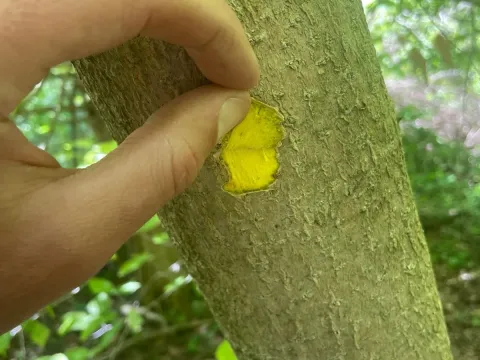
The primary economic value of this tree comes from its bark, which acts as a cork substitute, known for its insulation and lightweight properties.
The timber of the Amur cork tree is highly valued in the furniture industry due to its distinct texture, durability, and resistance to environmental decay.
Fruits are utilized in the pharmaceutical industry for their phytochemical content, including alkaloids and essential oils used in medicinal preparations.
Leaves possess antiseptic and phytoncidal properties, making them useful in traditional medicine and as a source of natural bioactive compounds.
Managed harvesting of the bark can be done sustainably, allowing the tree to regenerate its outer layers without compromising its overall health or lifespan.
Common pests include various defoliating insects that can damage young leaves during the early summer months, potentially affecting the tree's vigor.
Fungal infections, particularly bark necrosis, represent a significant threat to the tree's health, often triggered by mechanical wounds or high humidity.
Proper sanitation, including the removal of damaged branches and the treatment of wounds, is critical for preventing the spread of fungal pathogens.
Severe drought conditions can significantly weaken the tree, increasing its susceptibility to opportunistic infections and pest infestations.
Adopting integrated pest management strategies, focusing on biological controls, helps maintain the health of the plantation while ensuring product quality.